10 Awesome Astronomy Activities for Kids
*This post may contain affiliate links. As an Amazon Associate I earn from qualifying purchases.*
These astronomy activities for kids are a fantastic way to encourage curiosity and make learning about space exciting.
The universe is full of wonders, from twinkling stars to distant planets, and you don’t need fancy equipment to get started.
These activities will encourage your kids to look up and be more aware of the beautiful world around them.
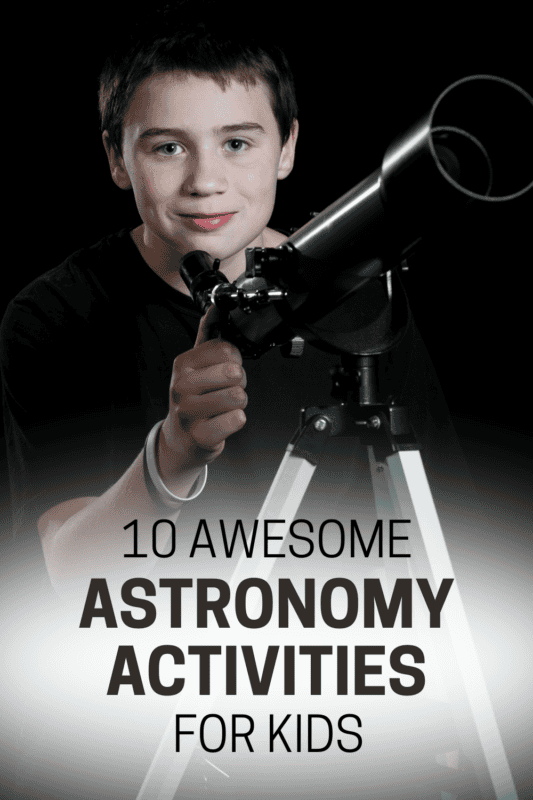
Simple Astronomy Activities for Kids
These activities are a great to incorporate into your homeschool science. You can use them to build a full lesson or as an extension to something you’re already using.
#1 Moon Phase Tracker
The moon changes shape every night, and tracking its phases is a great way to introduce kids to astronomy.
Have them draw the moon’s shape in a journal each night for a month. Discuss terms like waxing, waning, full moon, and new moon, and explain how the moon orbits the Earth.
#2 DIY Constellation Viewer
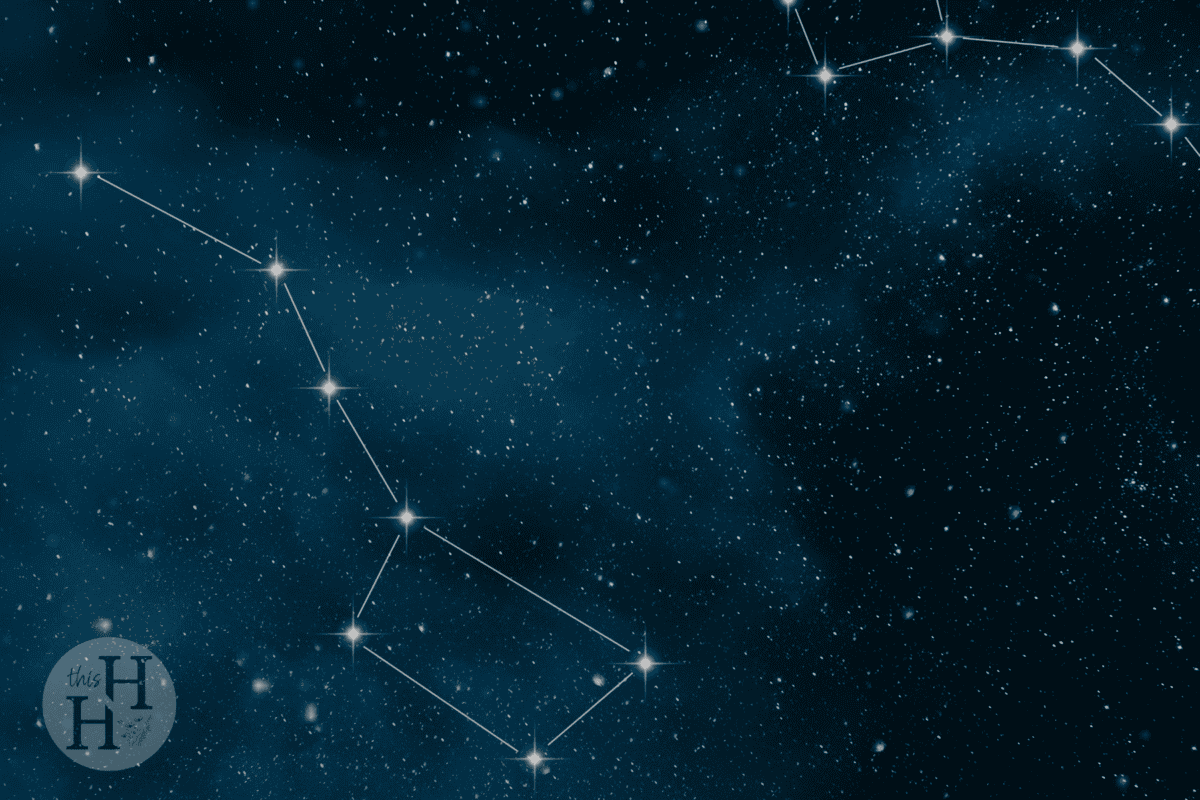
Help kids learn about constellations by making a simple viewer using a flashlight and black construction paper.
Cut out tiny holes in the shape of constellations, then shine the flashlight through the paper onto a wall to see their constellation appear in the dark. This is a great indoor activity for cloudy nights!
#3 Star Gazing Adventure
One of the easiest ways to explore astronomy is to simply look up! Take kids outside to observe the stars and identify major constellations like the Big Dipper, Orion, and Cassiopeia.
Use a stargazing app or print a star map to help them locate planets and other celestial objects.
#4 Solar System Model
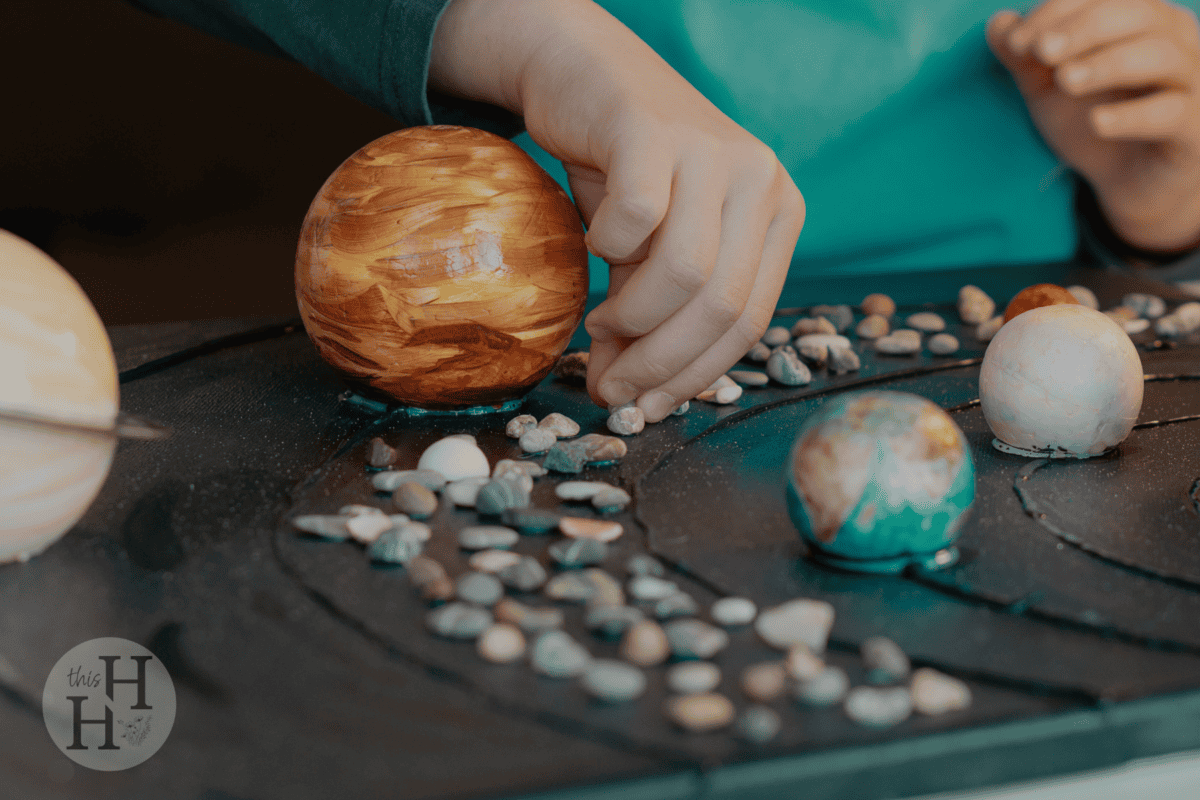
Build a model of the solar system using craft materials like foam balls, paper, and string. Paint each planet and arrange them in order from the sun.
For added fun, hang the planets from the ceiling or create a “walking” solar system by spacing them out in a long hallway or yard to show the distance between planets.
#5 Meteor Shower Watch Party
Meteors, also known as shooting stars, are exciting to spot! Check meteor shower calendars and plan a special late-night outing to watch for falling stars.
Have kids make a wish for each meteor they see, and talk about how meteors are tiny bits of space debris burning up in Earth’s atmosphere.
#6 Sundial Experiment
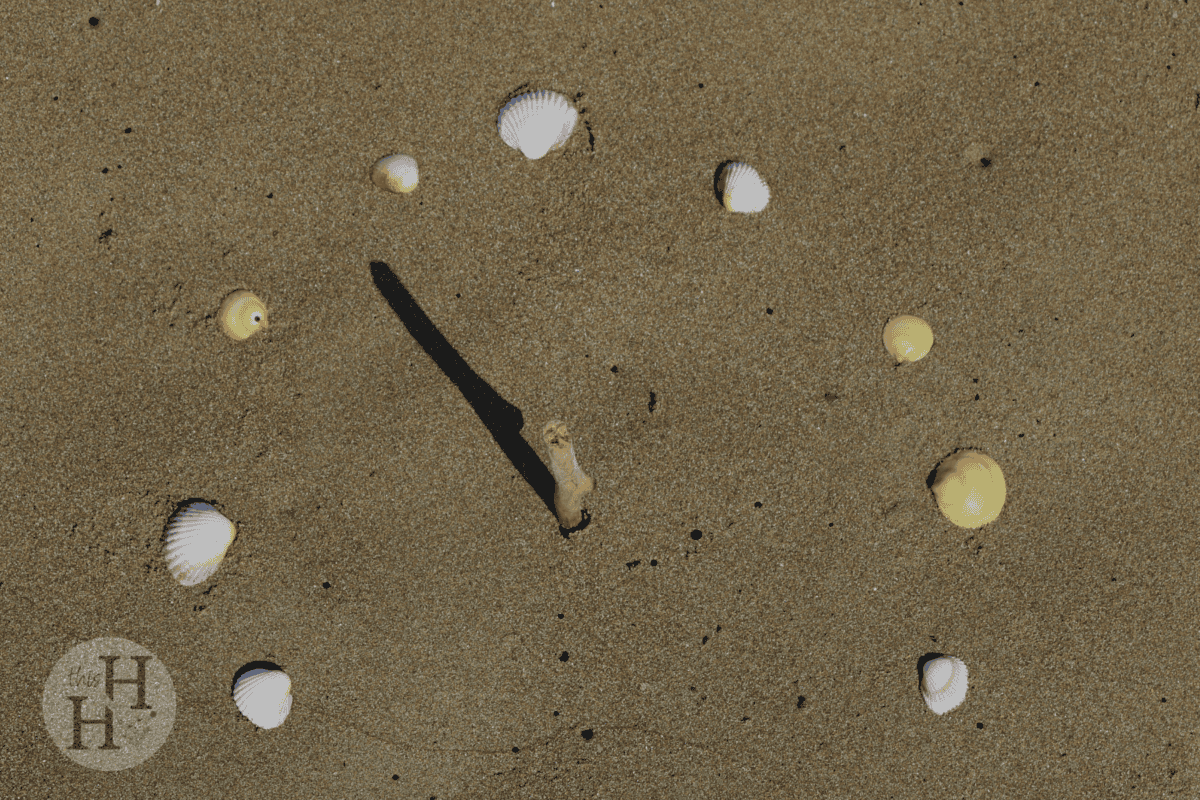
Teach kids about the movement of the sun by making a DIY sundial.
Place a stick in the ground and mark its shadow every hour to see how the sun’s position changes throughout the day. Discuss how ancient civilizations used sundials to tell time.
#7 Create Glow-in-the-Dark Star Maps
Use glow-in-the-dark stickers on black construction paper to create custom star maps.
Let kids arrange the stickers into constellations they already know or invent their own star patterns. Hang them up as nightlight decorations!
#8 Compare Planet Sizes with Playdough
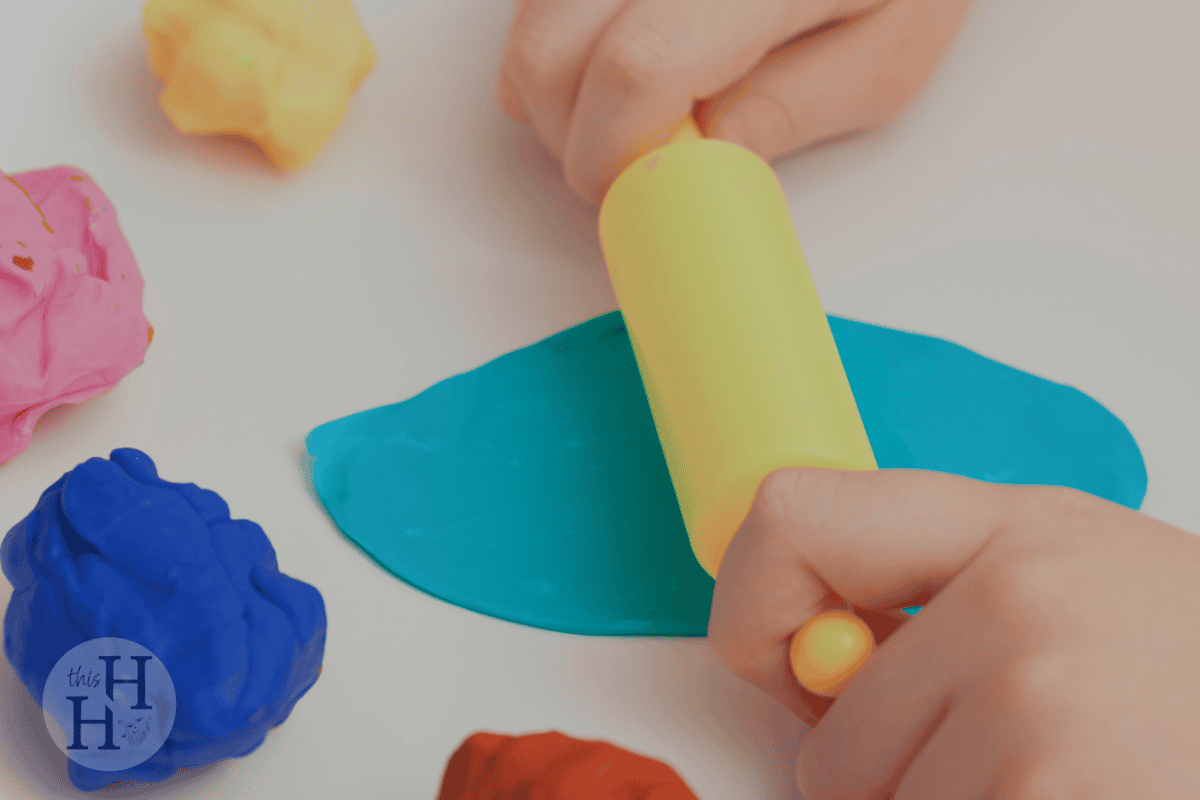
Use playdough to model the different sizes of the planets. Have kids create small, medium, and large spheres to represent Mercury through Jupiter.
Discuss how Earth is tiny compared to the gas giants like Saturn and Neptune.
#9 Listen to Space Sounds
NASA has recorded real sounds from space, including radio waves from planets and eerie solar system noises.
Play these sounds for kids and have them guess which planet or space phenomenon they are listening to. This is a great way to combine science with sensory learning!
#10 Design a Space Mission
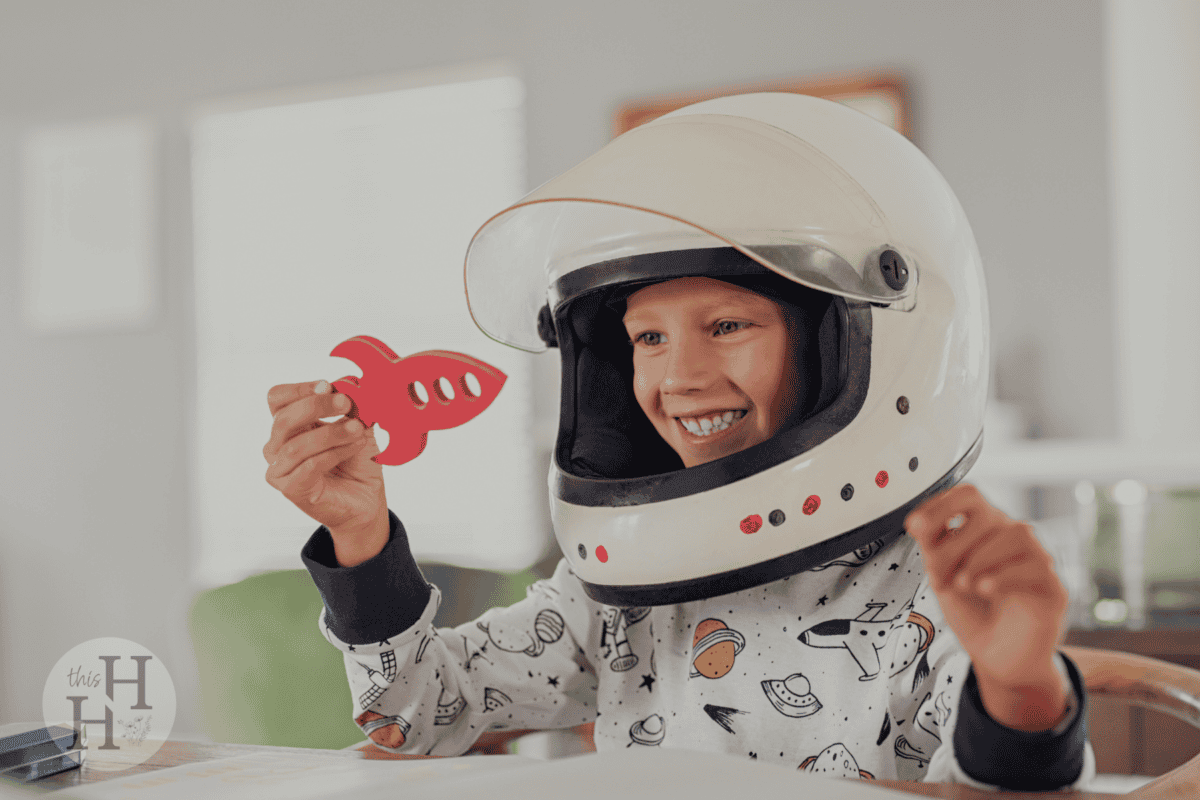
Encourage creativity by having kids design their own space mission. Will they send a rover to Mars, discover a new planet, or build a space station?
Let them draw blueprints, write about their mission, and even build models using LEGO or recycled materials.
Final Thoughts
Astronomy is a fascinating subject that can be explored in so many hands-on ways. Even as an adult, I’m still absolutely gobsmacked at the sheer expanse of the universe.
I hope these activities bring some fun as well as added education to your homeschool days.