
10 Easy Ways to Make Homeschool Fun for Your Kids (and you!)
*This post may contain affiliate links. As an Amazon Associate I earn from qualifying purchases.*
I wouldn’t consider myself the “fun” parent in our home so making homeschool fun takes a little work. My husband is so much better at spontaneity and creating fun activities.
I can be disciplined and loving, but I have to be intentional about bringing fun into things.
Homeschooling offers families the unique opportunity to tailor education to fit their needs and interests. However, it’s easy for lessons to become routine, and you might find yourself wondering how to keep things engaging for your kids.

The good news? Homeschooling can be as fun and dynamic as you make it!
With a bit of intentionality, what would typically feel mundane or stagnant becomes a really fun memory-making activity for you and your kids.
10 Ways to Bring Homeschool Fun Into Your Days
Here are 10 creative ways to infuse joy into your homeschool routine while fostering a love of learning.
#1 Turn Lessons into Games
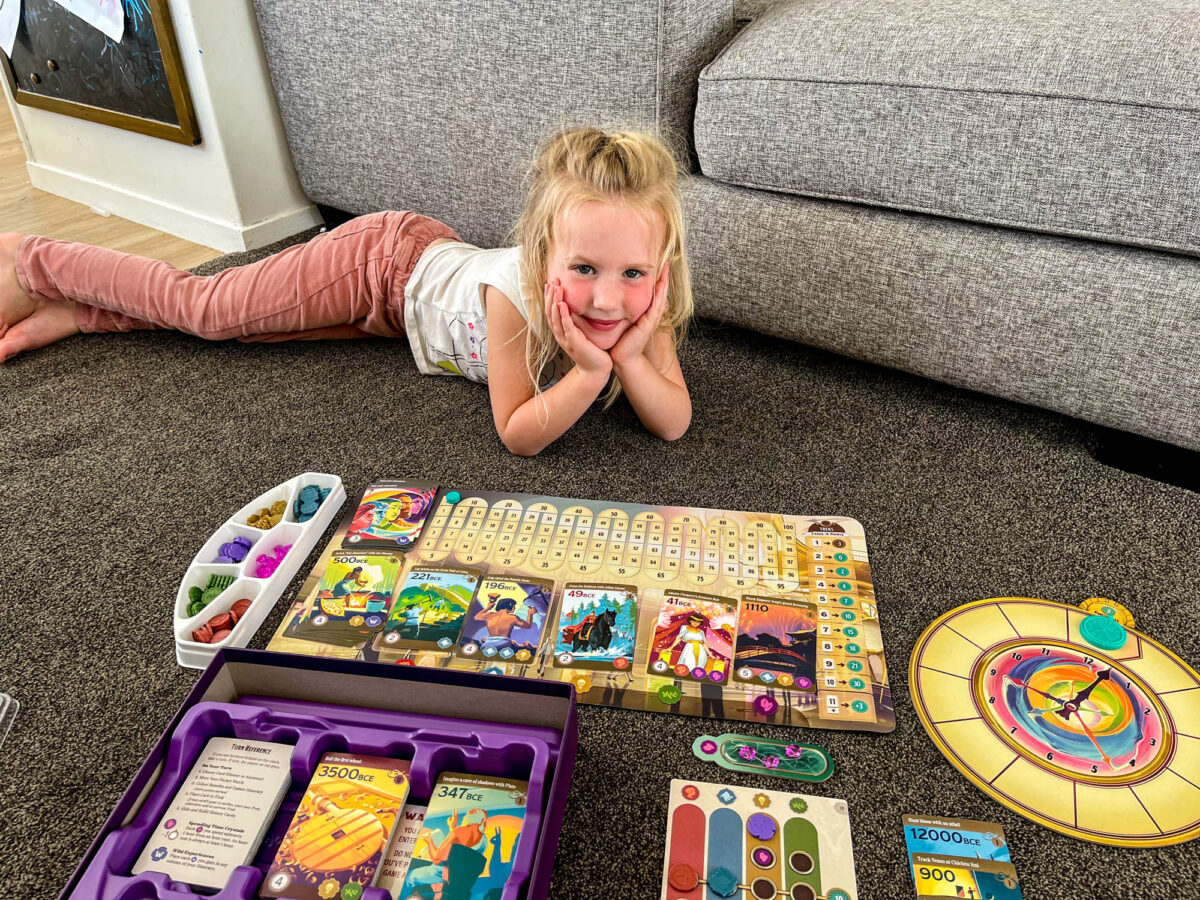
Who says learning has to be serious? Games are a fantastic way to make lessons interactive and exciting. Play math bingo, create your own trivia challenges for history, or set up a spelling bee at home.
Board games like Scrabble or Ticket to Ride can sneak in literacy and geography lessons without your kids even noticing they’re learning. Gamifying lessons not only makes them more engaging but also helps kids retain the material better.
There might also be some great opportunities for character development…if you know what I mean.
Related Post: How to Add Fun to Homeschool with Gameschooling
#2 Incorporate Hands-On Projects
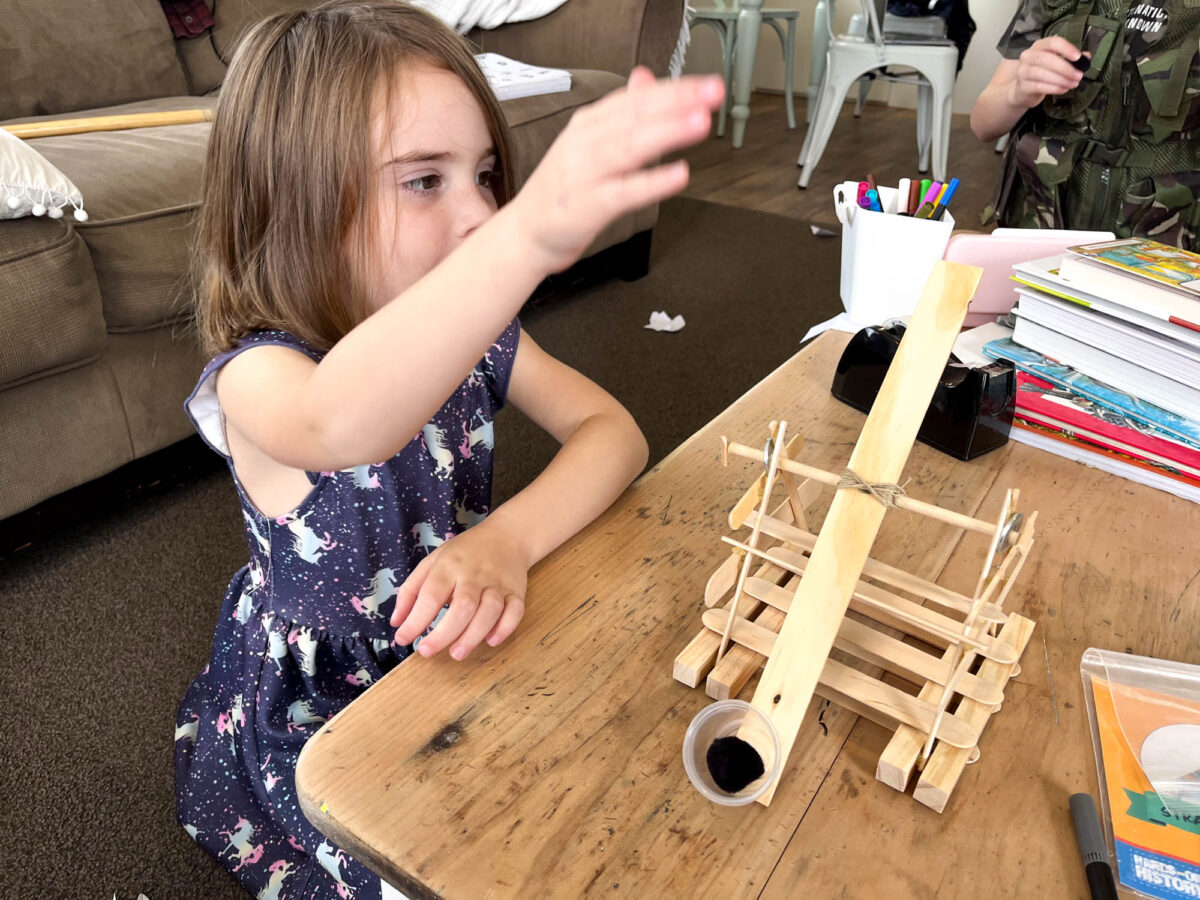
Nothing sparks curiosity like rolling up your sleeves and diving into a project. Science experiments, art projects, or DIY crafts related to your lessons can bring abstract concepts to life.
Build a model volcano for a science lesson or create a family tree while learning about history. These hands-on activities can transform mundane subjects into memorable experiences.
As a second-generation homeschooler, I can tell you that the things that really stuck with me were the lessons that had an element of “doing” to them.
Related Post: Easy Ways to Implement Hands-On Homeschool Projects
#3 Get Outside for Nature-Based Learning

Sometimes, the best classroom is right outside your door. Nature-based learning allows kids to explore the world while tying lessons to real-life experiences.
Take a walk and identify plants for biology, measure shadows for a math lesson, or practice writing skills by journaling observations in a nature journal. The fresh air and physical activity will also help improve focus and mood.
This is the perfect thing to do during the shoulder seasons when the weather is fairly mild.
However, sometimes it’s a great idea to push your kids (and yourself) to head outside and make the most of whatever the weather gives you that day.
Related: 10 Super Simple Nature Study Ideas for Your Homeschool
#4 Let Your Kids Choose Topics They Love
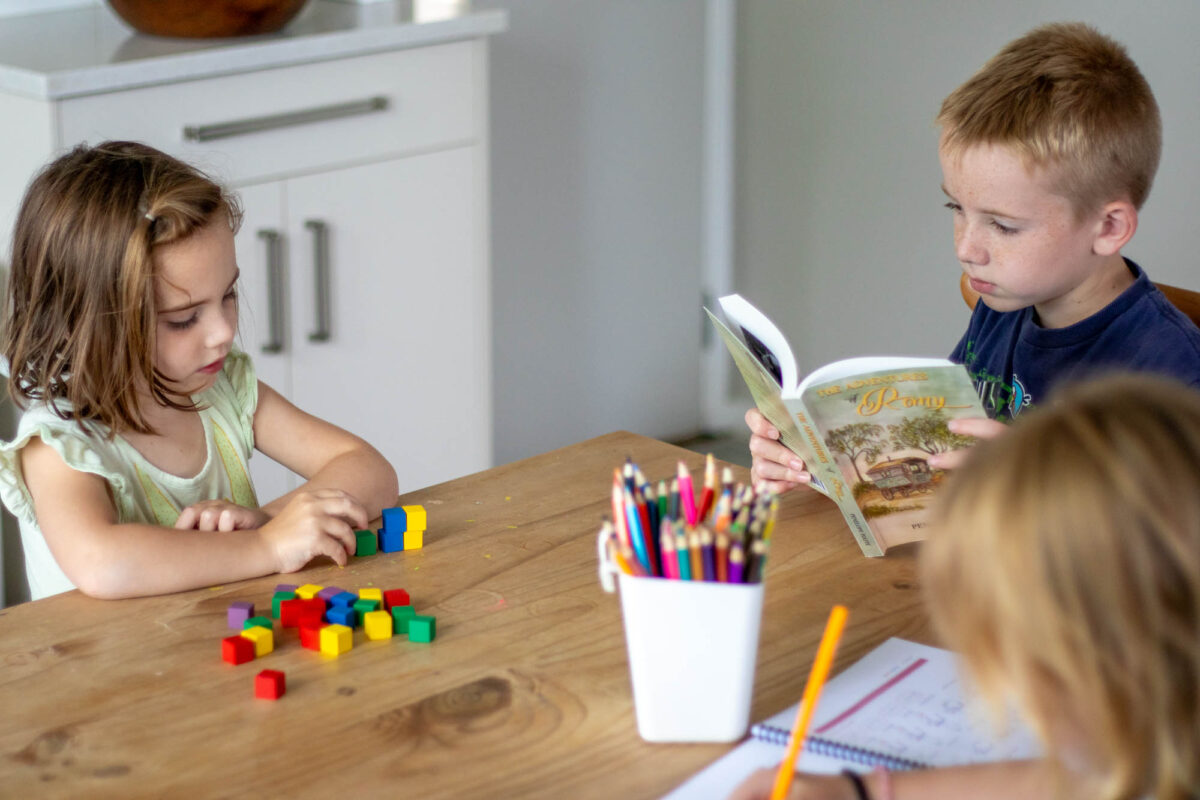
One of the greatest benefits of homeschooling is the flexibility to pursue your child’s interests. Allow them to pick topics they’re passionate about and build lessons around them.
For example, if your child loves dinosaurs, you can explore paleontology in science, read dinosaur-themed books, or study the Mesozoic era in history. This approach not only makes learning fun but also encourages self-motivation.
At the beginning of every school year, I ask each of my children what they’d love to learn about. I then take that and try and find something that we can incorporate. It’s definitely a winner in our home.
Related: Homeschool Planning an Interest-Based Year (How to Actually Do It!)
#5 Use Technology Creatively

Technology can be a powerful tool when used wisely. Incorporate apps, online resources, or educational videos into your lessons. Explore virtual museum tours, try coding games, or use interactive math platforms.
While it’s important to manage screen time, using technology creatively can open up new worlds of learning for your kids.
We love the science experiment videos from Sonlight for this. My kids get such a kick out of watching them once a week.
Related: Homeschool Technology: How to Use it to Enrich Your Homeschool
#6 Incorporate Music and Movement for Homeschool Fun

Kids learn best when they’re active, and adding music and movement to your lessons can keep them engaged.
Sing songs to memorize multiplication tables, create dances to represent historical events, or incorporate yoga during breaks. Physical activity helps kids retain information and breaks up the monotony of sitting for long periods.
We’ve even used an online dance program before.
Related: 10 Creative Homeschool Music Ideas to Enrich Your Day
#7 Plan Themed Learning Days

Take homeschooling to the next level by dedicating a day to a fun theme. For example, have an Ancient Egypt day where you make costumes, cook Egyptian food, and build pyramids out of sugar cubes.
Or plan a Space Day with rocket-building, stargazing, and lessons on the solar system. These immersive experiences create lasting memories and make learning feel like an adventure.
You could also lean into whatever festivity or celebration might be taking place each month. There are so many ideas online that aren’t hard to implement but add loads of fun.
Related: How to Plan Themed Learning Days + 5 Fun Ideas
#8 Make Homeschool Fun with Competitions
Friendly competitions can add excitement and motivate kids to try their best. Host a weekly spelling competition, a math speed challenge, or a creative writing contest.
Keep the focus on participation and effort rather than winning to ensure everyone feels encouraged and included.
I like to curate any competition in a way where my children are competing against themselves rather than their siblings.
#9 Bring in Real-Life Applications

Help your kids see the value of what they’re learning by applying it to real-life situations. Practice budgeting at the grocery store, write thank-you notes to improve handwriting or use measurements to bake a cake together.
Showing how lessons apply to everyday life makes learning practical and meaningful.
Unit studies from places like Campfire Curriculums are great at providing guided opportunities to do this.
Related: 7 Vital Real Life Skills You Need to Teach Your Kids
#10 Celebrate Achievements Big and Small

Recognizing your child’s hard work and milestones can be incredibly motivating. Celebrate achievements with certificates, special outings, or a dedicated “wall of fame” at home.
Whether it’s mastering a tricky math concept or finishing a big project, these celebrations show your kids that their efforts are valued and appreciated.
Final Thoughts
Homeschooling doesn’t have to be monotonous or stressful. By incorporating games, hands-on projects, outdoor adventures, and other creative strategies, you can make learning fun and engaging for your kids.
Start with one or two of these ideas and see how they transform your homeschool experience. Who knows? You might even find yourself having as much fun as your kids!
Let’s be honest…when mama is happy…it makes a big difference to the entire home.