7 Real Life Skills to Teach Your Kids & How to Do It
*This post may contain affiliate links. As an Amazon Associate I earn from qualifying purchases.*
One of the most powerful benefits of homeschooling is the opportunity to teach kids real-life skills alongside traditional academics.
By integrating practical lessons into your homeschool day, you equip your children with the tools they need to navigate the world confidently and independently. Plus, it’s an easy way to add fun to your homeschool.
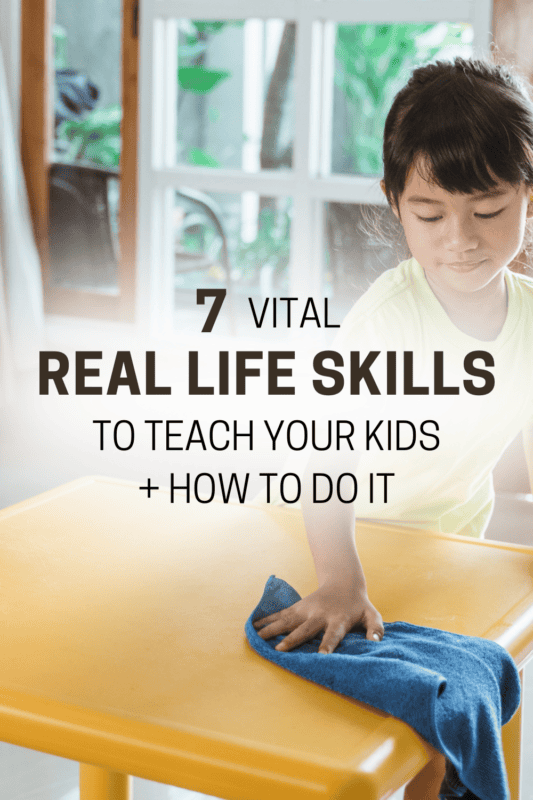
This is so important in a world where we’ve reached an imbalance in regard to academics and real-world skill sets. Having a focus on either of those things is not wrong, however, neglecting one to feed the other is where things start to get cloudy.
I love that I get to focus on both each day with my kids.
How to Teach Real-Life Skills In Your Homeschool
Here are some creative ways to teach real-life skills in the context of homeschooling.
Why Teach Real-Life Skills?
- Practical Application: Real-life skills give meaning to academic lessons, showing kids how their learning applies to everyday situations.
- Confidence Building: Mastering practical tasks boosts kids’ self-esteem and independence.
- Family Bonding: Working together on real-world activities fosters stronger family connections.
- Preparation for Adulthood: These skills prepare kids for the responsibilities they’ll face as they grow older.
Real-Life Skills to Teach in Your Homeschool

#1 Budgeting and Money Management
Oh boy! I think there are many who wish that they were taught budgeting skills while they were in school. This is something we’ve done from a very young age with our kids and we’re already seeing the benefits.
Teach kids the value of money through practical lessons:
- Create a Budget: Give your child a small allowance and help them allocate funds for saving, spending, and giving.
- Grocery Shopping: Involve them in meal planning, comparing prices, and sticking to a budget.
- Banking Basics: Set up a savings account and teach them how to deposit and withdraw money.
We have general house chores that everyone pitches in on, but our kids also have the opportunity to do special jobs that they can generate an income from.
This is a great way to teach them how earning an income works and how to use their income wisely.
#2 Cooking and Meal Planning

I’m a huge advocate of having all children learn how to cook nutritious meals. This is a wonderful opportunity to delve into both academics and real-world skills.
Nutritional science is unavoidable when you’re teaching your children how to cook well.
The kitchen is a fantastic classroom for teaching math, science, and life skills. Ideas include:
- Plan a Meal: Let your child choose recipes, write a shopping list, and prepare a family dinner.
- Practice Measurements: Use fractions and conversions while baking cookies or making pasta.
- Explore Nutrition: Teach them about balanced meals and how to read food labels.
While my children are young I have a very casual way of including them in cooking and meal planning, however, as they reach their teen years we plan on having them each cook a meal one night a week.
#3 Time Management and Scheduling
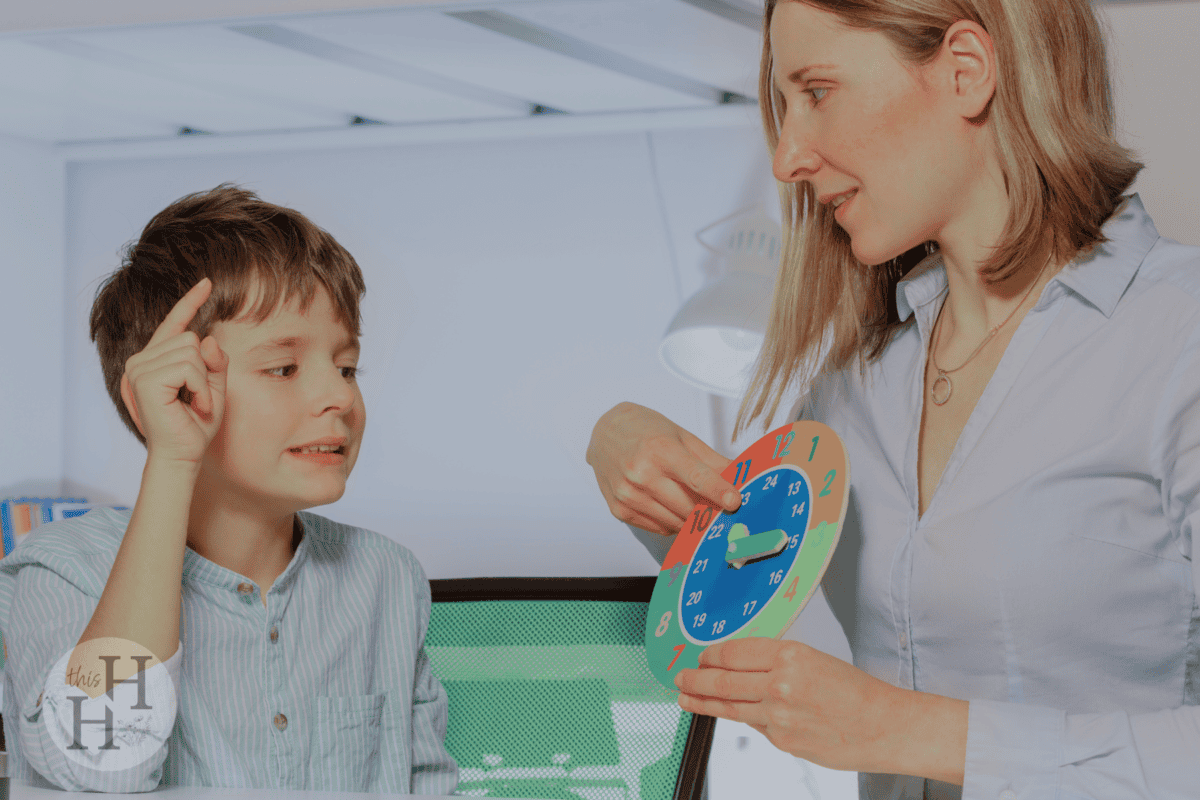
There’s something really valuable about having time-management skills. This is a quality that every employer is going to look for.
Help your kids learn how to organize their day:
- Create a Schedule: Use a planner to map out lessons, chores, and free time.
- Set Goals: Teach them to set realistic goals and track progress.
- Prioritize Tasks: Discuss the difference between urgent and important tasks.
#4 Household Chores and Maintenance

Keeping a clean and functional home is a valuable skill. In our home, we teach our children that we are to be good stewards of the things that God has given us.
Some of the ways to do this are to:
- Assign Age-Appropriate Chores: Younger kids can dust or sort laundry, while older kids can vacuum or mow the lawn.
- Teach Repairs: Show them how to fix a squeaky hinge, change a light bulb, or sew a button.
- Organize Spaces: Guide them in decluttering their rooms or setting up a system for school supplies.
I would also just really encourage you to include your children in whatever you’re doing. You’ll be amazed to find just how much they learn by simply tagging along.
#5 Communication and Social Skills

Having a clear phone conversation, conversing with the grocery teller, and advocating for yourself are all things that require communication skills.
Equip your kids with strong interpersonal skills:
- Write Letters: Practice handwriting and etiquette by writing thank-you notes or letters to relatives.
- Role-Play Scenarios: Practice ordering food at a restaurant, asking for help, or introducing themselves to new people.
- Conflict Resolution: Teach them how to handle disagreements calmly and respectfully.
- Practice: Give your children the opportunity to practice their skills when you go out. Step back and give them space to learn.
#6 Problem-Solving and Critical Thinking

Critical thinking is a dying skill in today’s society. It’s something that is vital to nurture in our children.
Encourage your kids to think independently:
- DIY Projects: Build something together, like a birdhouse or a bookshelf.
- Plan an Outing: Let them research and organize a family trip or activity.
- Solve Puzzles: Incorporate logic games and puzzles into your lessons.
Give them space! Our children aren’t able to be critical thinkers if we’re constantly stepping in and fixing things for them. Give them the space to struggle and learn within the safety of your home.
#7 Basic First Aid and Safety
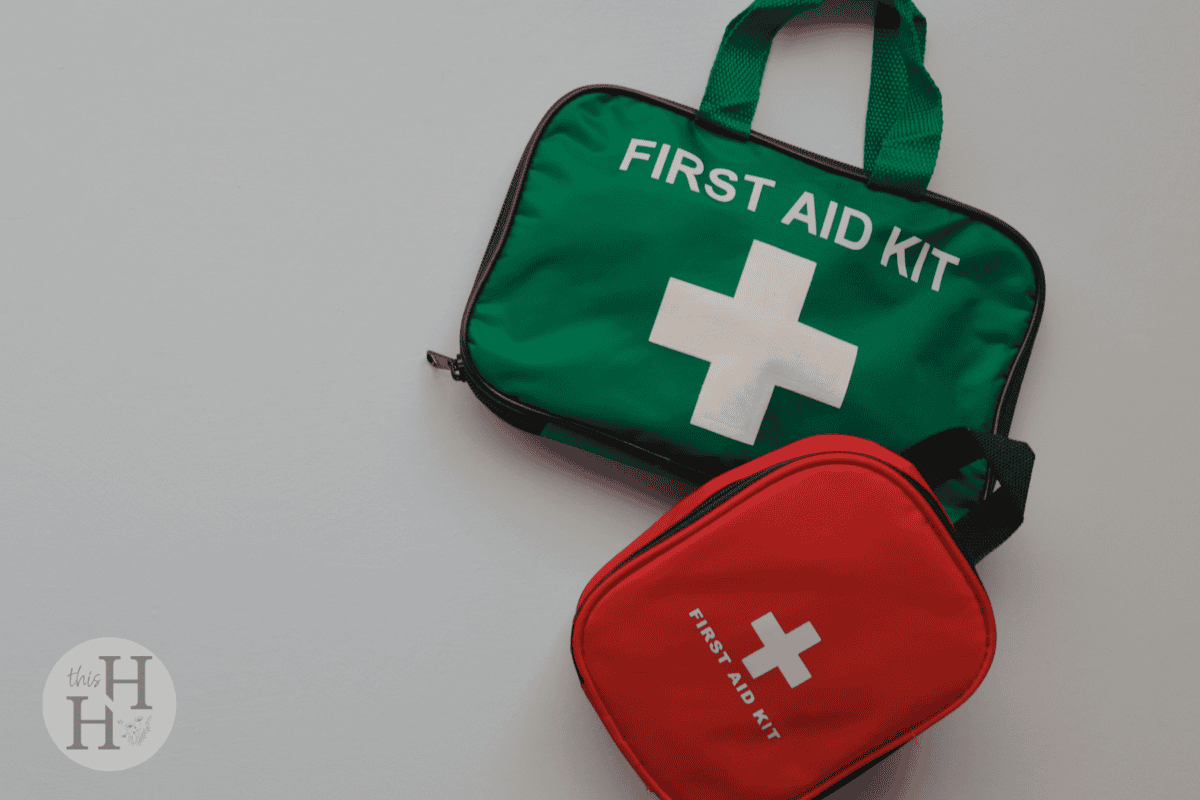
Basic first aid is very important, but it’s also important to teach your children the “why” behind it all. Encourage them to think critically about what they’re taught to do so that they understand it comprehensively.
Ultimately, this will lead to better logic and understanding.
Prepare your kids for emergencies with these lessons:
- Teach First Aid Basics: Show them how to clean a wound, apply a bandage, or recognize signs of dehydration.
- Practice Fire Drills: Go over your family’s emergency plan and practice evacuating safely.
- Discuss Online Safety: Teach them how to stay safe on the internet, including recognizing phishing scams and setting strong passwords.
Tips for Teaching Real-Life Skills
- Model the Skills: Kids learn best by watching you. Let them observe and participate in your daily tasks.
- Start Small: Begin with simple activities and gradually introduce more complex responsibilities.
- Be Patient: Mistakes are part of the learning process. Celebrate effort over perfection.
- Make It Fun: Turn tasks into games or challenges to keep kids engaged.
As parents, it’s so easy to do chores and projects when your kids are otherwise occupied, but I would encourage you to include them.
They don’t always have to do the thing you’re doing, but just by having them alongside you, they’ll pick up a lot of information.
Goodness! I can think back to so many times watching my parents work on DIY projects and now I’ve applied much of what I learned to my own home.
They didn’t have a planned out or complex teaching method, they simply included me in what they were doing.
Final Thoughts
Teaching real-life skills in your homeschool is an investment in your child’s future.
Implementing the teaching can be as simple as including them in whatever you’re doing. When they ask questions, explain them them the process behind what you’re working on.
It isn’t rocket science, but it will set them up for success in a plethora of ways.