7 Creative Nature Journaling Activities for Kids
*This post may contain affiliate links. As an Amazon Associate I earn from qualifying purchases.*
Nature journaling is a wonderful way to encourage children to slow down, observe the world around them, and develop a deeper appreciation for nature.
It combines art, science, and storytelling, making it an engaging and creative activity for kids of all ages.
Whether you’re homeschooling, planning a weekend nature walk, or just looking for a fun way to connect with the outdoors, nature journaling offers endless learning opportunities.
Why Start Nature Journaling?
Nature journaling helps children build observation skills, improve their handwriting and drawing abilities, and enhance their curiosity about the natural world.
It also fosters mindfulness, encouraging kids to be present in their surroundings.
Getting Started with Nature Journaling

Before heading outdoors, gather a few simple supplies:
- A sturdy notebook or sketchpad
- Pencils, colored pencils, or watercolors
- A magnifying glass (for close-up details)
- A small glue stick or tape (for attaching small findings like leaves or flowers)
- A field guide or nature reference book
Let your child personalize their journal by decorating the cover with stickers, stamps, or drawings of their favorite plants and animals.
Fun Nature Journaling Activities
#1 Daily Nature Observations
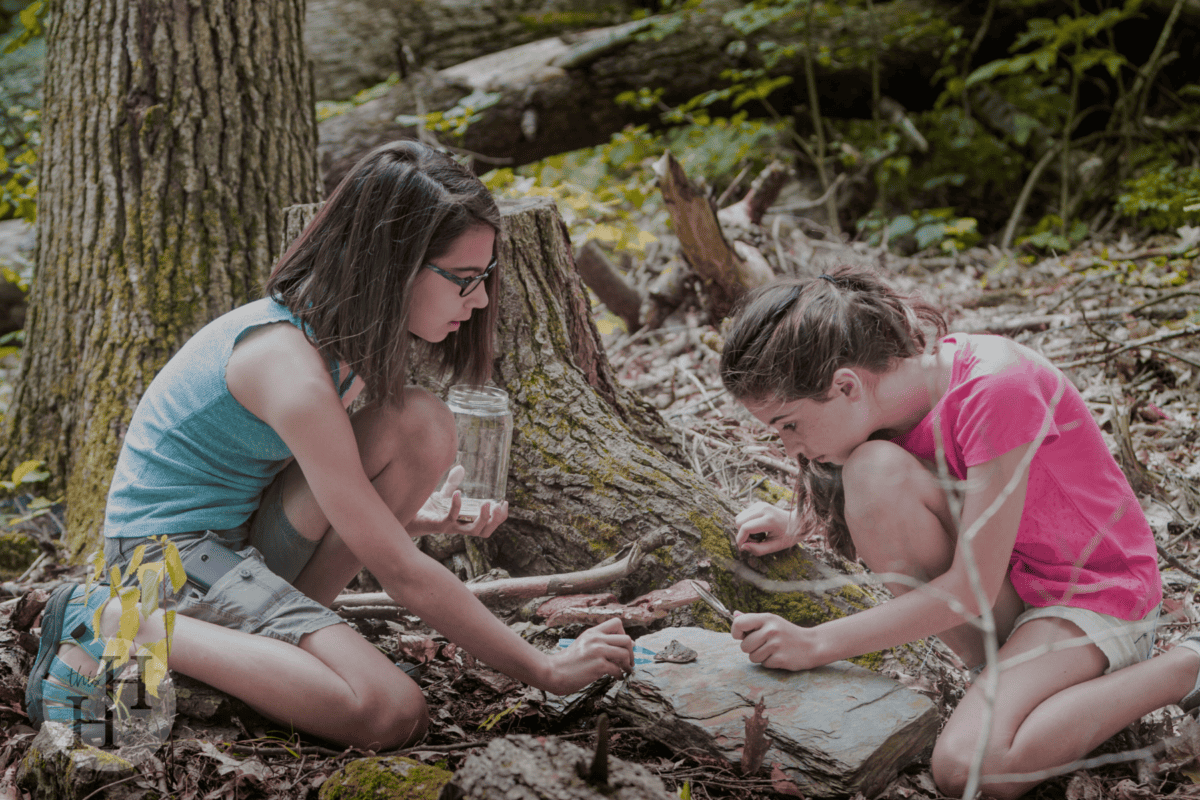
Encourage kids to write or draw what they see outside each day. They can note the weather, seasonal changes, and any interesting plants or animals they encounter.
Ask questions like, “What colors do you see?” or “How does the air feel today?”
#2 Leaf and Bark Rubbings
Have kids place a leaf or a piece of tree bark under their paper and rub it with the side of a crayon to capture the texture.
Label each rubbing with the tree’s name or a description of where they found it.
#3 Sound Mapping

Find a quiet spot in nature and have kids close their eyes. Ask them to listen carefully and draw symbols or words to represent the different sounds they hear—chirping birds, rustling leaves, buzzing insects. This helps develop listening and sensory awareness.
#4 Nature Poetry
Encourage kids to write a short poem inspired by something they observe in nature.
It could be a haiku about a butterfly, an acrostic poem about the ocean, or a simple rhyme about the wind.
For younger children, you can scribe for them as they dictate to you.
#5 Color Matching
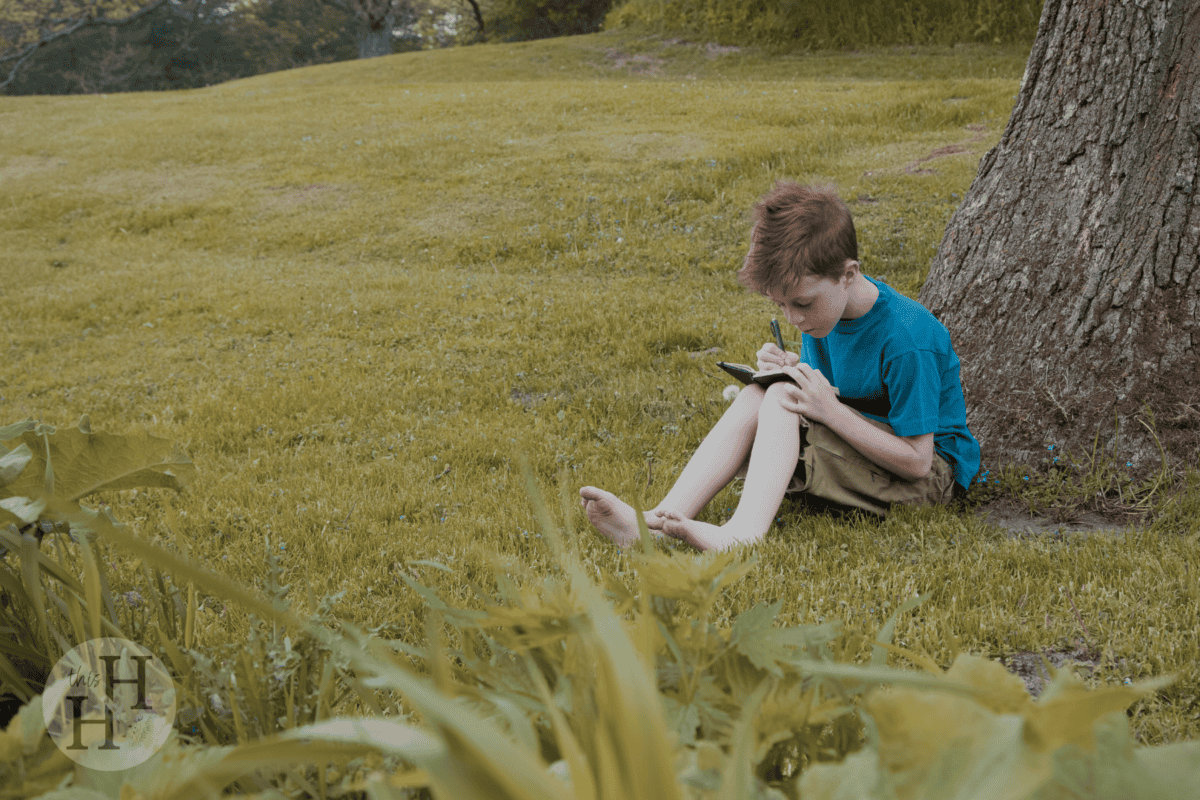
Have kids find different shades of green, brown, or any other color in nature and match them to their colored pencils.
Then, they can sketch and label the items they found, noting how colors change with light and shadow.
#6 Life Cycle Sketching
Choose a plant, insect, or animal and document its life cycle.
Kids can illustrate the stages of a butterfly, a frog, or even a blooming flower over time.
#7 Scavenger Hunt Pages
Create a checklist of nature items to find—like a feather, a smooth rock, or an ant carrying food. Once they find each item, they can draw or write about it in their journal.
Making It a Habit
Nature journaling doesn’t have to be a one-time activity. Encourage your kids to bring their journals on hikes, trips to the park, or even just into the backyard.
Over time, they’ll develop a deeper connection with nature and gain confidence in their artistic and scientific skills.
Final Thoughts
Nature journaling is a fantastic way to combine creativity with outdoor exploration. It allows kids to see the world with fresh eyes and document their experiences in a meaningful way.
It is the simplest way to introduce the study of science to your children without having to use a single textbook.