
How to Create the Ultimate Nature Scavenger Hunt for Kids
*This post may contain affiliate links. As an Amazon Associate I earn from qualifying purchases.*
Want to create a nature scavenger hunt for kids? Get some great tips to create your own, or grab our free printable by signing up at the end of this post!
Nature scavenger hunts are such a fun way to get outside and explore while sneaking in a bit of learning.
Whether you’re homeschooling, planning a family adventure, or just looking for a way to keep the kids busy outdoors, a well-planned scavenger hunt can turn any outdoor space into an interactive classroom.
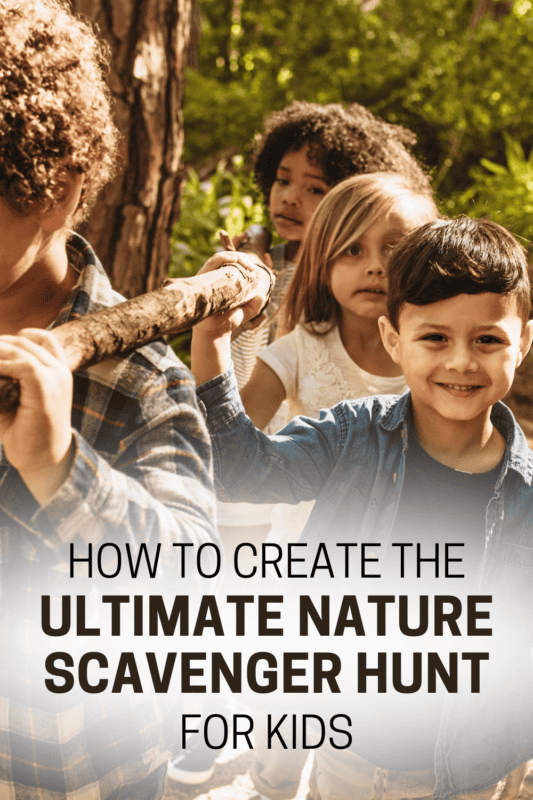
Why a Nature Scavenger Hunt for Kids?
There’s something magical about giving kids a list and watching them set off on a mission. But a nature scavenger hunt isn’t just about checking things off—it’s about looking closer, asking questions, and making discoveries.
It encourages curiosity, observation skills, and critical thinking, all while making learning feel like play.
Let’s also not forget the opportunity to let kids burn off some of their seemingly never-ending energy stores as well!
Picking the Perfect Spot

The first thing you’ll want to do is choose your location. Are you heading to the park, a nature reserve, the beach, or just your own backyard?
Each setting offers different opportunities for discovery. A forest might be great for spotting different kinds of leaves and bugs, while a beach hunt could focus on shells, seaweed, and tide pools.
Even your backyard is a great place.
Don’t overthink it, but do consider what can be found in the area you’re planning to visit.
Making It Educational
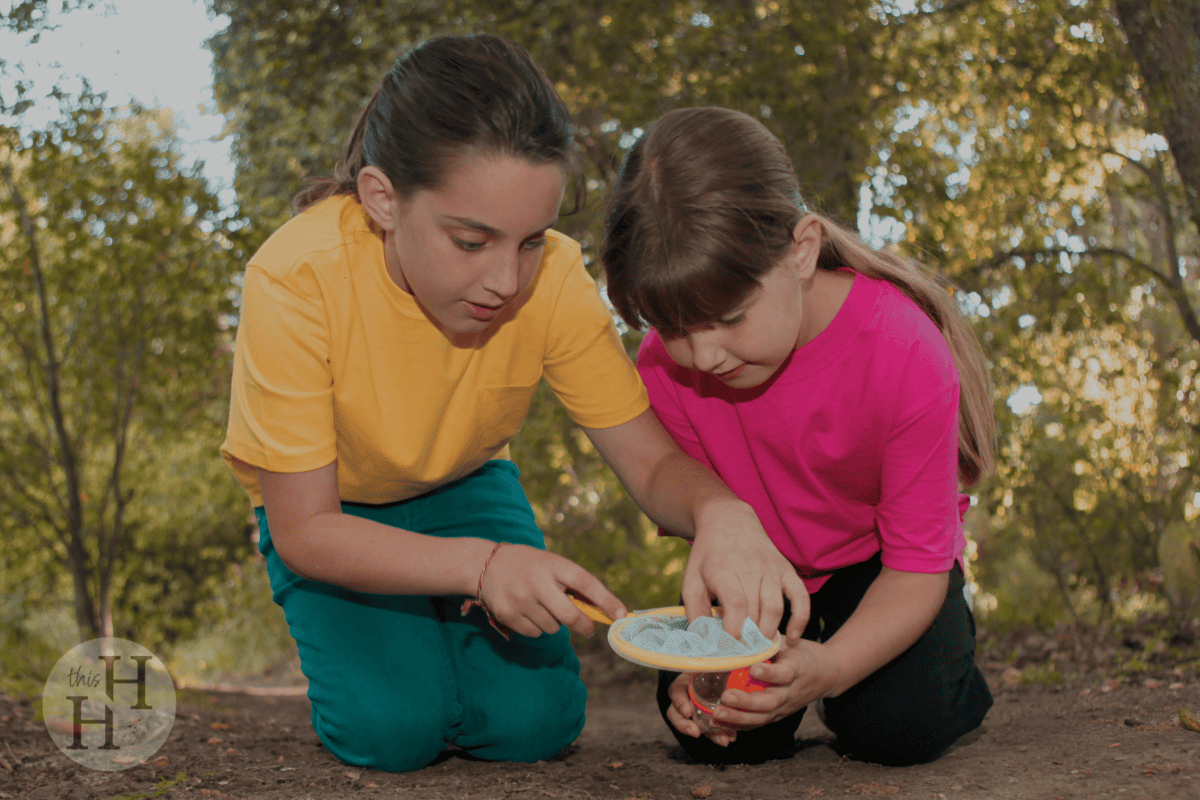
To make your scavenger hunt more than just a game, consider focusing on a theme. Maybe you want to explore different types of plants, identify bird calls, or observe how different textures feel under your fingertips.
You can tie it into whatever subject you’re working on—biology, art, sensory learning, even math!
Younger kids might love searching for items based on colors or shapes, while older kids could try identifying different species or even researching fun facts about what they find.
I like to do a seasonal focus as well. This is a great way of getting kids to notice how the same nature area changes throughout the seasons of the year.
Creating Your Hunt List
This is where you get creative. For younger kids, keep it simple: find a smooth rock, a crunchy leaf, or a tiny bug. Use Canva to find great clipart to use as a visual for your kids.
If you’re working with older children, challenge them to find three types of tree bark, spot a bird’s nest, or identify a flower using a field guide.
To add an extra layer of fun, you can write out clues instead of listing items directly—something like, “Find something that rustles in the wind” or “Look for an insect that hops.”
Turning It Into a Game
Adding a little friendly competition can keep kids engaged. Maybe they earn points for each item found or race against the clock to complete their list.
You could even make it a team effort, encouraging collaboration and problem-solving as they work together to track down tricky items.
Expanding the Learning

Once the scavenger hunt is over, don’t let the learning stop there! Talk about what they found, research something that sparked their curiosity, or have them sketch their discoveries in a nature journal.
Maybe they press flowers and leaves to create a keepsake or write a story inspired by their adventure. The key is to make the experience stick and keep that sense of wonder going.
Grab your free copy of our nature scavenger hunt for kids (all ages!) by signing up to our homeschool resource library.
Get Out and Explore!
A nature scavenger hunt is one of those activities that can be as simple or as detailed as you want. The important thing is to get outside, get curious, and enjoy the world around you.
So grab a clipboard, step into the fresh air, and start exploring—you never know what you might find!