10 Easy Outdoor Summer Learning Activities for Kids
*This post may contain affiliate links. As an Amazon Associate I earn from qualifying purchases.*
With these summer learning activities, you can help avoid the summer slump and keep your kids learning in the outdoors.
Summer is the perfect time to take learning outdoors and turn the world into your classroom. With warm weather and plenty of sunshine, it’s easy to combine hands-on educational activities with fresh air and exercise.

10 Simple Summer Learning Activities
Here are ten fun outdoor summer learning activities to try with your kids.
#1 Nature Scavenger Hunt
Turn a simple walk into an exciting learning experience with a nature scavenger hunt. Create a list of items for your kids to find, such as leaves, flowers, rocks, or animal tracks.
Challenge older kids to identify species or categorize finds by color, texture, or even their role in the ecosystem. Bring along a magnifying glass or a field guide to encourage deeper observation.
Take it a step further by having kids document their finds in a nature journal, sketching their discoveries and writing down observations about their surroundings.
This activity builds observation skills, encourages curiosity, and introduces basic ecology concepts in an engaging way.
Related: How to Create the Ultimate Nature Scavenger Hunt for Kids (+ free printable!)
#2 Beach-Themed Science Experiments

Head to the beach for hands-on science fun! Explore the science of tides by tracking how the waterline changes over time. Build sand structures and test how erosion works by pouring water over them or experimenting with different materials to see what holds up best against the waves.
For an extra challenge, create a mini ocean ecosystem in a jar. Collect small shells, sand, seaweed, and tiny marine creatures (like hermit crabs or small fish, if available) and observe how they interact.
Discuss the importance of clean oceans and how pollution affects marine life.
Related: 5 Easy Science Experiments for Kids at the Beach
#3 Garden Math Adventures

Use your backyard or a community garden as a space for hands-on math lessons. Count seeds, measure plant growth daily, and calculate the area needed for planting different crops.
Older kids can estimate harvest yields by researching how many vegetables or fruits each plant typically produces. Turn it into a real-world math challenge by creating a simple budget for seeds, soil, and tools.
Not only does this teach practical math, but harvesting the results of their calculations makes for a tasty and rewarding experience.
Related: 5 Fun Math Garden Activities for Kids
#4 Outdoor Art with Natural Materials

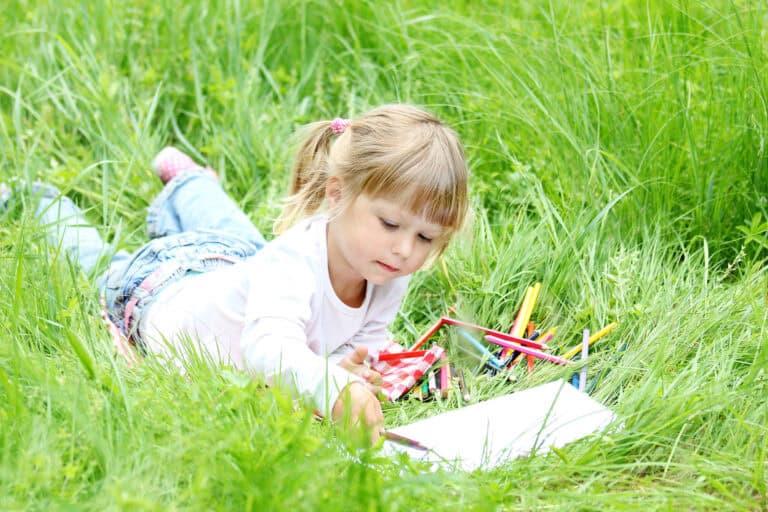
Encourage creativity by collecting leaves, sticks, and rocks to create outdoor art. Kids can make nature collages, design mandalas using flower petals, or paint rocks with outdoor-friendly paints.
For an extra educational spin, introduce concepts like symmetry by having kids arrange their materials in balanced patterns.
Try leaf-rubbing with crayons to examine vein structures up close, or use mud as a natural paint medium to explore different textures.
Related: 5 Easy Nature Art Projects for Kids
#5 Birdwatching Basics

Grab a pair of binoculars and a bird guide to introduce your kids to birdwatching. Encourage them to document different species they see, research their habitats, and listen for unique bird calls.
Make it even more interactive by setting up a DIY bird feeder using recycled materials. Track which birds visit and see if certain foods attract specific species.
Have kids map out where they see birds most frequently and discuss migration patterns. Birdwatching builds patience, observation skills, and a deeper appreciation for wildlife.
Related: How to Start Birdwatching With Kids
#6 DIY Weather Station
Teach kids about meteorology by building a simple weather station. Create tools like a rain gauge using a clear container, a wind vane from a paper plate and straw, or a thermometer chart to track temperature changes.
Keep a weather journal to record daily observations. Compare their predictions with actual weather reports and discuss how different atmospheric conditions influence weather patterns.
This activity fosters curiosity about how the world around us works and introduces early scientific inquiry.
Related: How to Build a DIY Weather Station for Kids
#7 Outdoor Storytime and Journaling

Take books and journals outside for a relaxed literacy activity. Let kids read under a tree or write their own nature-inspired stories.
Encourage journaling by having them describe their outdoor surroundings in detail—what they hear, see, smell, and feel.
Younger kids can dictate stories based on what they observe, while older children can experiment with poetry or creative writing. This is a great way to practice writing skills while also encouraging mindfulness and appreciation for nature.
Related: 7 Creative Nature Journaling Ideas for Kids
#8 Backyard Astronomy

On clear summer nights, explore the stars with a telescope or binoculars. Teach kids to identify constellations, planets, and the phases of the moon. Use star maps or astronomy apps to locate celestial bodies and track their movements.
During the day, engage in sun-related activities like building a sundial to understand how shadows move with time. Discuss why the sun appears to rise and set and how Earth’s rotation affects what we see in the sky.
Related: 10 Awesome Astronomy Activities for Kids
#9 Nature-Themed Treasure Map

Create a treasure map that leads kids through your yard or a local park. Incorporate clues that require solving riddles, following compass directions, or identifying natural landmarks.
Encourage teamwork by setting up small challenges at each stop, such as counting tree rings, identifying different types of leaves, or recognizing animal tracks.
Not only does this activity develop problem-solving skills, but it also encourages outdoor exploration and adventure.
#10 Outdoor Music and Sound Exploration

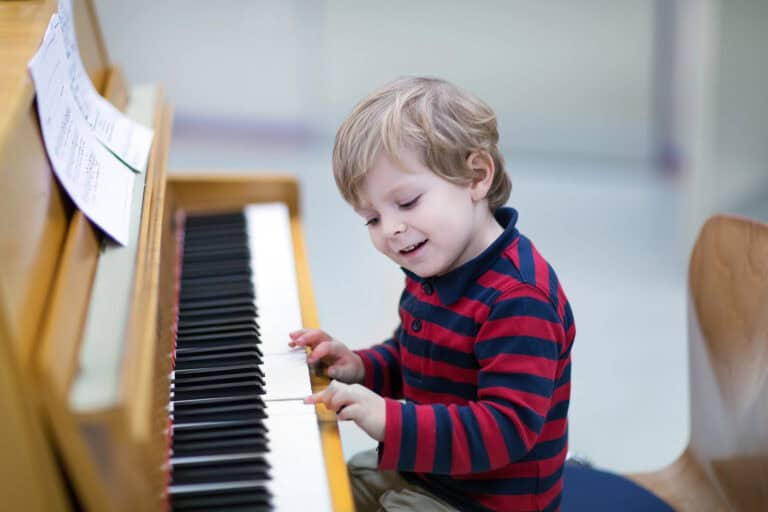
Experiment with the sounds of nature by making music outdoors. Have kids listen for different bird calls, rustling leaves, or flowing water and try to mimic them with their voices or instruments.
Create simple instruments, like stick drums, bottle cap tambourines, or wind chimes made from natural materials.
Discuss how sound waves travel differently in open spaces versus indoors and experiment with volume and pitch.
Related: 8 Educational Outdoor Music Activities for Kids
Final Thoughts
Outdoor summer learning activities are a fantastic way to make homeschooling fun and memorable. By embracing the natural world, you can encourage your kids to explore, create, and learn in ways that textbooks simply can’t replicate.
Summer is the perfect time to embrace more of an unschooling approach to your child’s education, allowing curiosity and exploration to guide the learning process.