5 Fun & Engaging Math Garden Activities for Kids
*This post may contain affiliate links. As an Amazon Associate I earn from qualifying purchases.*
You might not immediately relate math with garden activities for kids.
However, math is all around us, and one of the best places to explore it is right in your backyard. Gardening offers a hands-on, engaging way to teach mathematical concepts while encouraging kids to be outdoors.
Whether your child loves numbers or needs a little extra motivation, these activities will help them see how math plays a role in the natural world.

5 Simple Math Garden Activities for Kids
Children very often connect better with what they’re being taught when they can see how the information relates to the world around them.
These activities are a really simple way of making that happen.
#1 Measuring and Counting Seeds
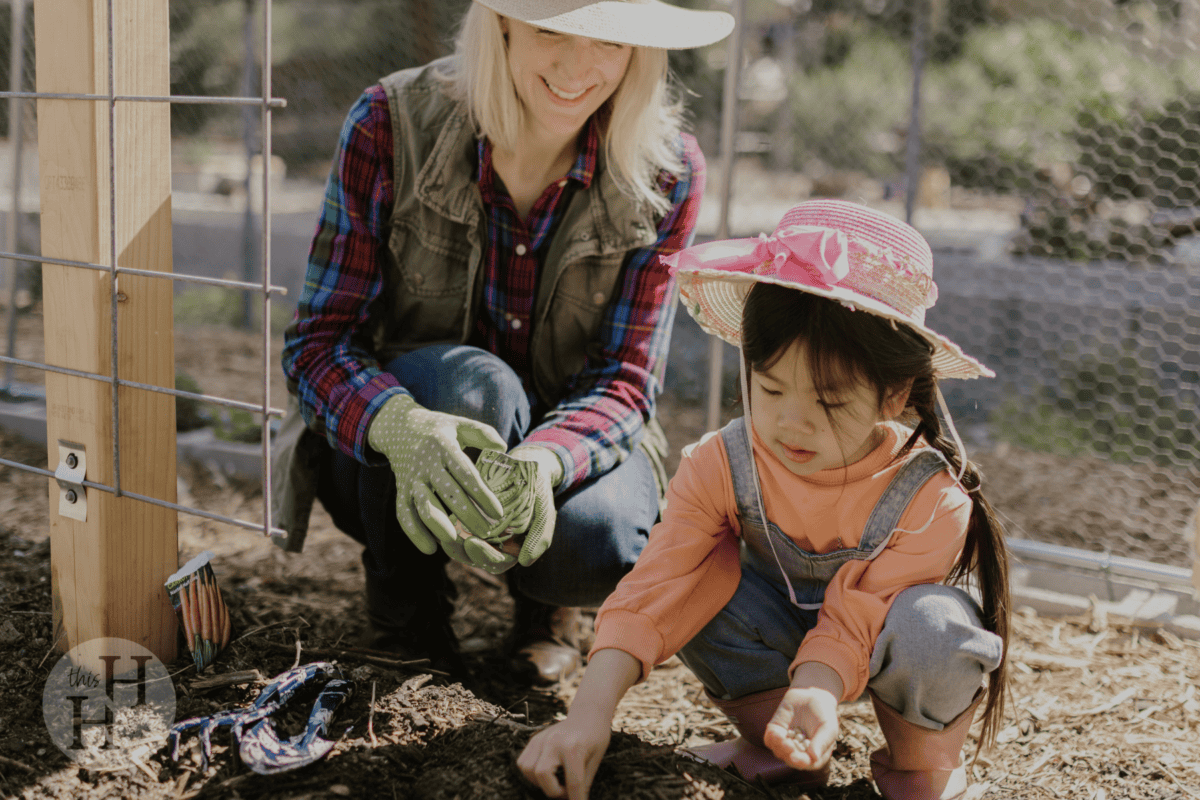
One of the simplest ways to introduce math in the garden is through measuring and counting seeds.
Have your child count out how many seeds they are planting per row. If you’re working with a variety of plants, compare the different seed sizes and estimate which ones will grow the tallest.
You can even create simple addition and multiplication problems—if you plant three rows of six seeds, how many plants will you have?
This is also a great way to work on the concept of multiplication, finding perimeters, and finding the area of a space.
#2 Spacing and Geometry in Planting
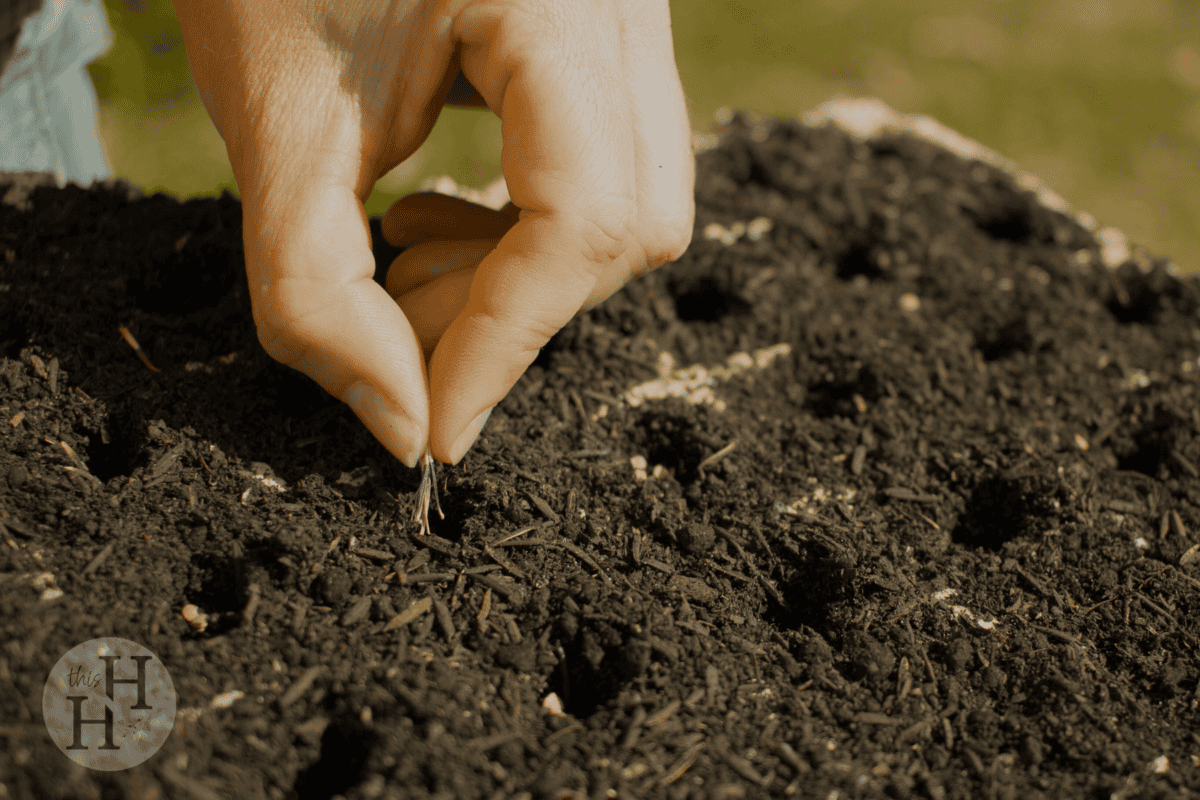
Gardeners need to be precise with spacing to ensure plants have room to grow. Show your child how to measure the distance between seeds using a ruler or tape measure.
Explain how proper spacing prevents overcrowding and promotes healthy growth. For older kids, introduce geometry by discussing different planting patterns—rows, grids, or even circular arrangements for decorative flower beds.
#3 Tracking Growth Over Time
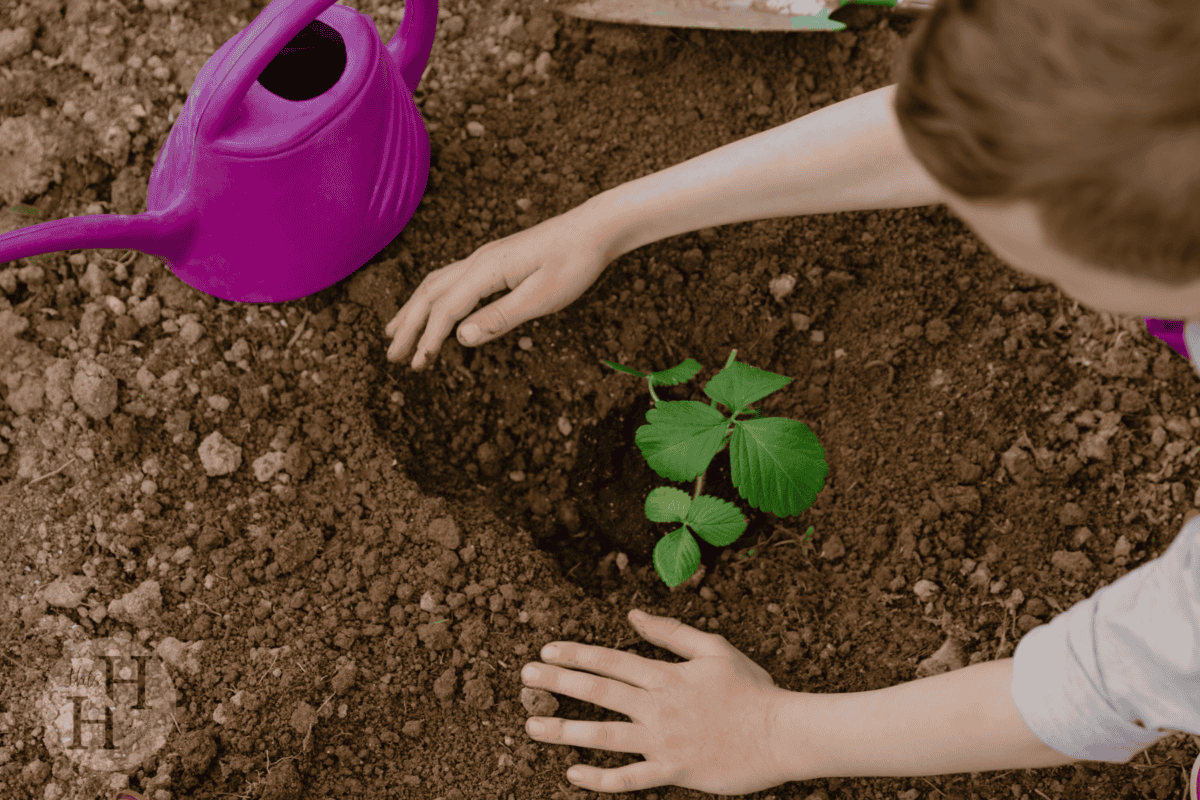
Encourage your child to keep a garden journal where they record plant growth over time. Have them measure the height of plants weekly and create a chart or graph to track progress.
They can also predict how much the plants will grow in a week and check if their estimates are accurate. This introduces concepts like data collection, estimation, and patterns in nature.
#4 Estimating and Weighing Harvests

When it’s time to harvest, turn it into a math lesson by estimating how much produce you’ll collect. Have your child guess the weight of a basket of vegetables before measuring it on a scale.
Discuss how farmers estimate crop yields and why accurate predictions are important. If you’re growing fruits and vegetables, have them compare sizes and discuss averages—what’s the average weight of a tomato from your garden?
#5 Math and Budgeting for a Garden
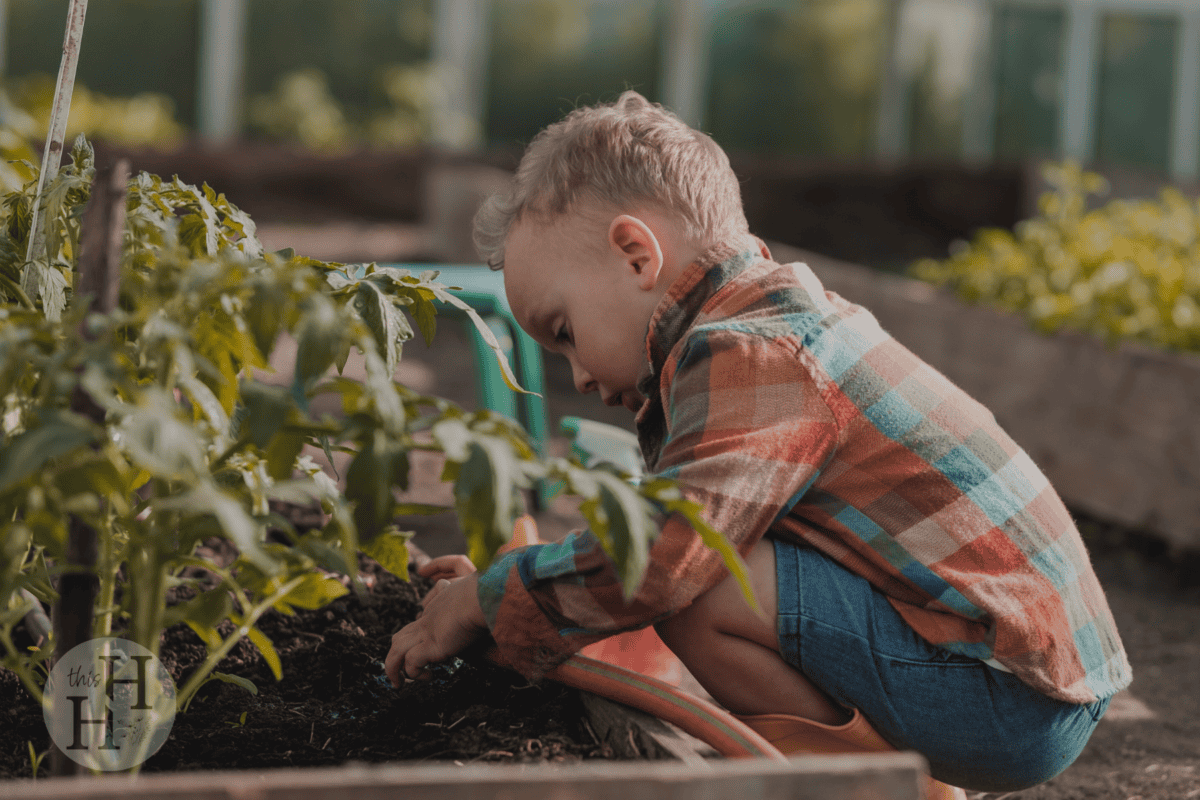
Planning a garden involves budgeting for seeds, soil, and tools. Give your child a set amount of pretend money and let them plan a garden shopping list.
Help them compare prices and decide which plants they can afford. This real-world math exercise helps with addition, subtraction, and decision-making skills while reinforcing the value of money.
For older children, give them a real amount of money and go through the same steps, including visiting the store, etc.
Final Thoughts
Gardening is a fantastic way to make math more meaningful and hands-on. By incorporating measuring, counting, tracking, and budgeting into gardening activities, kids will develop a greater appreciation for both math and nature.
Plus, the best part? They’ll get to enjoy the literal fruits of their labor while strengthening their math skills along the way!