The Truth About Homeschool Socialization
*This post may contain affiliate links. As an Amazon Associate I earn from qualifying purchases.*
I have been sharing about the topic of homeschooling for years, so I was actually surprised that I had yet to write a dedicated article on the topic of homeschool socialization.
After all, it is one of the biggest concerns people have when they’re looking into the idea of homeschooling.
I mean, how do kids learn to talk and interact with others well when they’re not in school? How do you make sure they don’t turn out weird?
Well, hold onto your hats folks because this second-generation homeschooler has some things to say…
Why Homeschool Socialization Isn’t That Big of a Deal
I’m not going to sit here and spend my time criticizing the school system. I mean, the fact that I’m homeschooling my own kids basically tells you all you need to know.
However, I do think it’s prudent to take a moment to address the fact that school does not, in fact, equip our children well with socialization skills.
Learning how to interact and get on with their own peers is a good skill to have, but it is by no means comprehensive when it comes to everything they’re going to need to have as adults.
So, with that conclusion, we can take a look at what good socialization skills look like and how we make sure that our children have the opportunity to learn them.
Things that Won’t Magically Socialize Your Kids
First of all, here’s a short list of the things that won’t magically equip your kids with amazing socialization skills:
- Sending them to preschool
- Sending them to school
- Signing them up to a bunch of different extracurricular activities
I really wanted to include that last point because I’ve seen homeschool families essentially using extracurriculars as a magic fix-all for socialization. However, that still misses the entire point of what socialization is.
Pssst…I highly recommend that every parent read the book Hold On to Your Kids (it’s a little mindblowing).
What is Socialization?
The Oxford English Dictionary defines socialization as:
- the activity of mixing socially with others.
- the process of learning to behave in a way that is acceptable to society.
So, essentially what we’re meant to be working towards is teaching our children how to interact well with those around them and to behave in a ‘socially acceptable’ manner.
The first definition is fairly straightforward, but I did want to make note of the fact that the word ‘peers’ is not used.
Somehow, those who are concerned about socialization, or the lack thereof, seem to only focus on how children will interact with their own peers.
Personally, I want my children to be able to interact well with everyone they come across, whether that’s a newborn baby or a 90-year-old man.
The second definition is where there’s a bit more room for interpretation.
What exactly does ‘acceptable to society’ mean?
This is where the wheels fall off the cart a bit because who decides what is acceptable or normal?
Do I want my kids to be total weirdos that can’t even hold a conversation? No.
However, I do want to leave them space to be themselves and if that means they don’t fit into what is considered normal, then so be it.
With that in mind, here are a couple of thoughts I’d like to share with you.
Ways to Ensure Socialization for Homeschooled Kids
#1 Treat Them Like Humans
Kids are obviously not adults, but society has a way of pushing children aside into their own little group because they’re easier to manage that way.
My number one tip is to treat your children as humans, not as some set of subpar beings.
Live life WITH them. Engage in conversations. Answer their never-ending questions. Expose them to other cultures, ways of living, books, ideas, documentaries, etc.
Let them see how you engage with people around you.
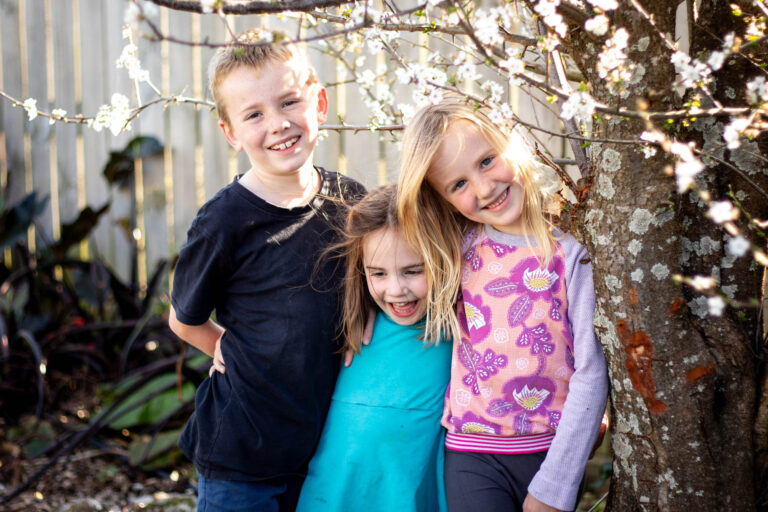
None of my three children ever went to preschool. None of them have ever gone to school. All three of them will talk to anyone of any age.
My eldest child will get on the floor with his baby cousins and play with them for hours. He’ll also sit and discuss historical facts about World War 2 with his great-grandfather.
He didn’t have to go to school and be with peers all day long in order to learn any of that.
Give your children opportunities that are outside their comfort zone. Let them purchase things as the supermarket, make phone calls, and engage in the community around them.
#2 Let Them Be Themselves
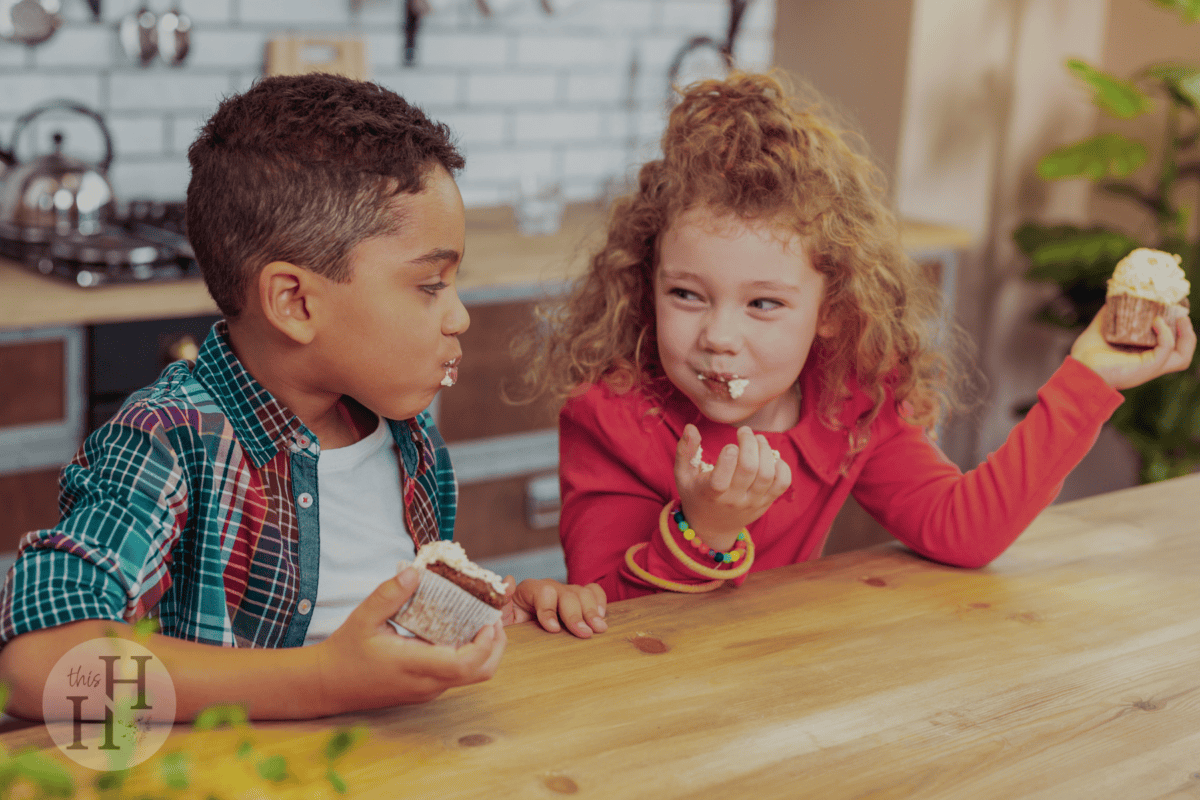
Are there some weird unsocialized homeschoolers? Sure.
Here’s the thing though, I have a hunch that the weird unsocialized homeschoolers would be just as weird if they had gone to school.
You see, we underestimate just how much of an influence we as parents have on our kids.
If we’re weird, there’s a good chance that our kids might be as well.
If you want a child who is well socialized, don’t try and make them anything but who they are.
Manners can be taught, but in a world where we’re constantly expected to conform and lose our sense of individuality, stand firm in allowing your child to be exactly who they were made to be.
Perhaps being weird isn’t actually all that weird at all? Perhaps what is truly weird is expecting all children to be the same.
What’s more, the idea of uniformity makes it even more of a challenge for those who are neurotypical.
We as a society should be leaving room for kids to be kids. We should be excited about each child being individual and unique.
Creating well-socialized children is not as simple as sending them to school. There’s a lot more intentionality that should go into it.
However, it’s also not as difficult as we’re made to believe it is. Socialization is simply living life and engaging with those around you.
Oh, and if you thought that homeschooled children never left the house…well…I have news for you.
How to Help Your Kids Make Friends
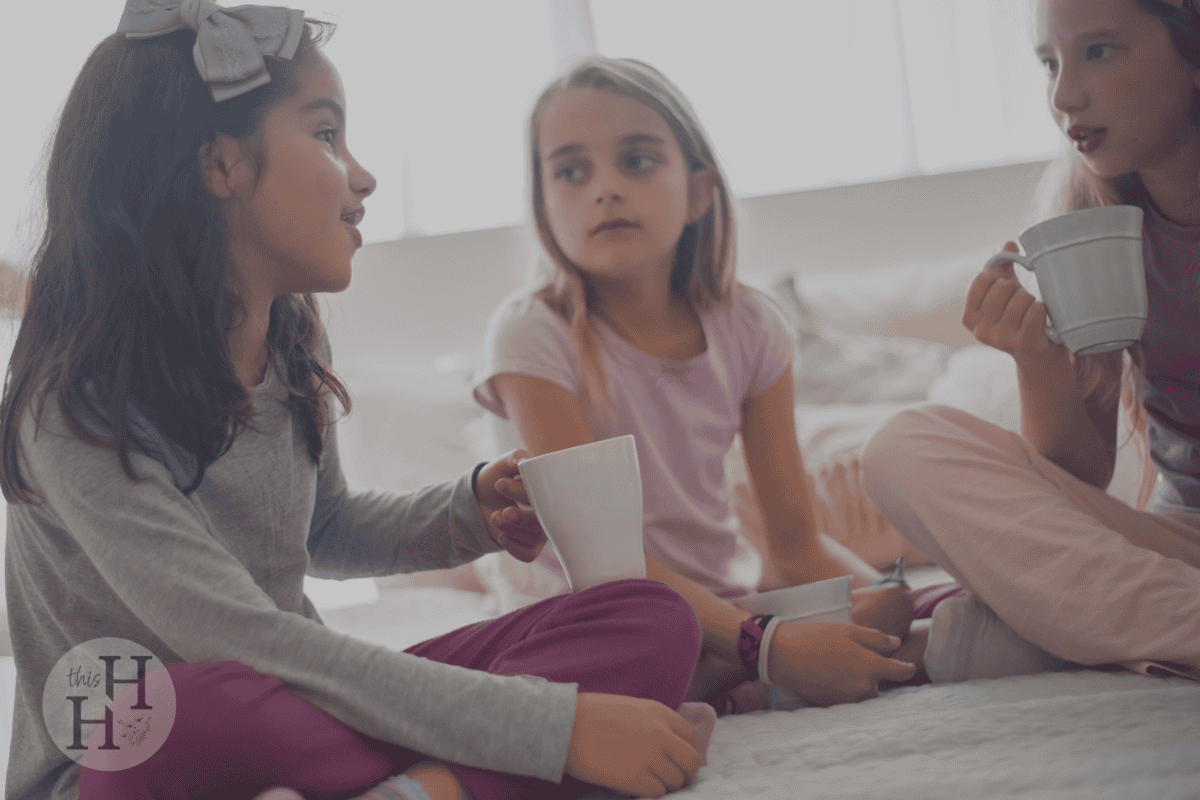
Now that we’ve covered the topic of socialization (although, there’s so much more that could be said), I want to give you tips for another topic that is linked but also entirely different.
Here are some ideas for helping your kids to find friends.
#1 Join a Homeschool Co-Op
Homeschool co-ops are group learning environments where families come together for classes, activities, and field trips.
These provide structured opportunities for kids to interact with others while also benefiting from group learning experiences.
#2 Participate in Extracurricular Activities
Many organizations welcome homeschoolers, including:
- Sports teams (community leagues, martial arts, gymnastics, swimming)
- Dance or music lessons
- Drama and theater groups
- Coding clubs or robotics teams
- Chess clubs or debate teams
These activities allow kids to develop friendships while pursuing their interests.
#3 Get Involved in Church and Community Groups
Many churches offer youth groups, Bible studies, and community service projects that provide excellent socialization opportunities.
Volunteering in local charities, soup kitchens, or animal shelters also gives homeschoolers a chance to interact with a wide range of people while learning the importance of service.
#4 Plan Regular Playdates and Meet-Ups
Scheduling time with other homeschooling families can help your child build strong friendships. Consider:
- Weekly park meet-ups
- Game nights or craft afternoons
- Seasonal parties or themed playdates
- Family field trips with other homeschoolers
#5 Encourage Multi-Age Socialization
In traditional schools, kids primarily interact with peers their own age, but in homeschooling, they have the opportunity to develop friendships across different age groups. Encourage interactions with younger and older kids by:
- Pairing siblings for cooperative learning projects
- Encouraging mentorship (older kids teaching younger ones a skill)
- Attending multi-age homeschool groups
This type of interaction prepares kids for real-world relationships, where they’ll need to communicate with people of all ages.
These experiences not only provide socialization but also teach valuable life skills.
Final Thoughts
Phew! That was a lot!
It’s a topic that really could be explored so much more in-depth than what I’ve very ineloquently covered here.
My goal is really to help you feel confident in homeschooling your children, knowing that socialization is truly the least of your worries.