How to Teach Junior Economics With Live Online Classes
*This post may contain affiliate links. As an Amazon Associate I earn from qualifying purchases.*
*this is a sponsored post
Using online classes wasn’t something that was an option when I was homeschooled. I’m so glad that it is something homeschool parents now have as a resource.
You see, knowing how to teach junior economics may not be something that you’re confident about or capable of doing. However, due to having wonderful online classes, such as the ones provided by Mr D Math, this really isn’t a big deal.
If you’re wanting an online option for teaching your children junior economics or even to just supplement what you’re teaching, you’ll want to continue reading…
How to Teach Junior Economics When You Don’t Know What You’re Doing

It’s a common misconception that in order to homeschool your children successfully, you need to know everything there is to know about teaching.
The truth is, even teachers aren’t clued up on all subjects.
The key is to know what your weaknesses might be and then find resources that will support you and your child to learn what they need to.
Junior economics is a subject that is full of life skills that can really help your children in adulthood. Entrepreneurship is only growing in popularity and having some background knowledge in that area will be so valuable!
So, how do you go about equipping your children with the skills they need when you don’t really know about the subject yourself? And it can be a dry subject if it’s not taught well. So, how do you make sure you cover all the bases? Let me give you some helpful tips.
#1 Invest in the Mr D Math – Junior Economics

Mr D Math is not a new curriculum to me. You can read the full review I did of their ASL course in this post here.
While this post is sponsored, I can assure that I have personally taken the class and all opinions are my own.
Mr D Math offers many different online programs including:
- Junior Economics
- Math
- SAT Bootcamp
- and more…see here for the full list.
My children are all either in early elementary or preschool and therefore too young to take this particular course. I went through it myself to determine whether or not it is a good resource for teaching junior economics.
Mr D Math offers 3 different ways of learning.
- Virtual Classroom (join in virtually to their weekly classes)
- Self-paced (take the course at your own pace)
- Co-op (join in on a local Mr D Math co-op)
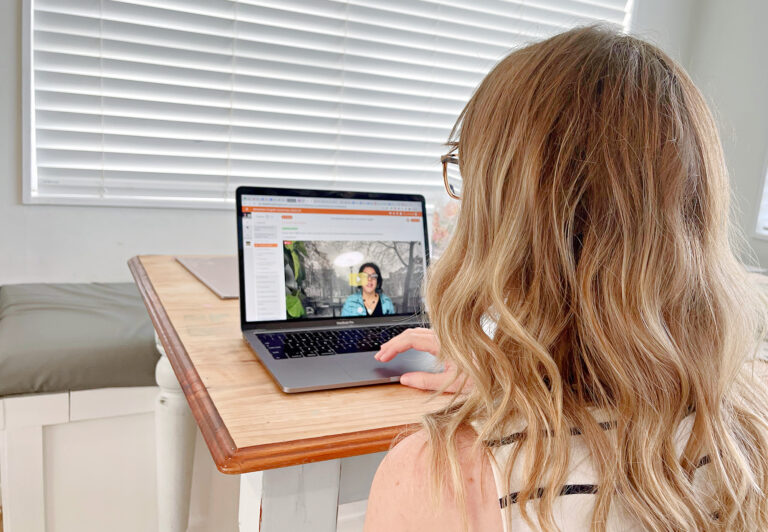
I took the self-paced course and was given my own dashboard where I could access my classes.
As is the case with the other course I went through, the video lessons are high-quality and easy to follow. Being able to go back over a concept as many times as needed it really helpful.
I would never want my children to feel as though they have to rush through things or feel pressured to take in everything the first time they hear it.
There is a lot of support available if your child needs it, but you can also just have them do the course with just your guidance when they need it.
The Lessons

The course is broken down into lessons and after each lesson, there is a homework assignment to complete. This particular course requires students to have their own binder in which to keep their completed assignments.
At the end of the lesson there is a quiz to help gauge your child’s comprehension of the subject. The quiz can be paused as needed but if they exit, their answers will be discarded and they’ll need to begin again.
The quiz results are graded and recorded as part of your child’s transcript.
The lessons are thorough but also short enough to keep students actively engaged in what they’re learning.
These classes are specifically for children in middle school but they do have a high school economics class available as well.
Check out Mr D Math Junior Economics here.
#2 Lean Into Real-Life Learning Opportunities
If I think back to when I was homeschooled, the lessons that really sunk in the most were the ones that I was able to connect the dots with in real life.
It’s like your brain just clicks when you can see how to practically use the information that you’ve been handed.
Economics is something that is incredibly practical in everyday life. It’s important that our children can see how to take the theory and turn it into something practical.
Provide opportunities for your child to do that by including them as much as you can in areas that highlight the topic of economics.
#3 Make It a Family Affiar
So often we put different school subjects into strict boxes and fail to realize that that is just not how life works.
Learning together as a family has benefits for all. As the teacher, you only have to explain the lesson once which saves so much time and energy.
Older students can help younger ones and even the younger ones will be able to assist the older ones at times.
Create your own situations for using the skills found in the Mr D Math Junior Economics course in your home and have the whole family participate in the learning process.
Related: The Benefits of Homeschooling
Conclusion
The longer you homeschool the more you realize that you don’t need to know everything in order to help your children learn.
There are just so many resources available to homeschool families now.
Mr D Math is a perfect example and I highly encourage you to check out what they offer.