Teaching Respect: How to Keep it Simple for Kids
*This post may contain affiliate links. As an Amazon Associate I earn from qualifying purchases.*
Teaching respect to our children is of utmost importance.
Respect is a foundational character trait that helps children build strong, healthy relationships with family, friends, and their broader community.
We often think of respect in the way that it pertains to those around us. However, having respect for oneself is also crucial.
Rooting this lesson in Scripture allows children to understand that respect is not just a social nicety but a reflection of God’s design for how we should treat one another.
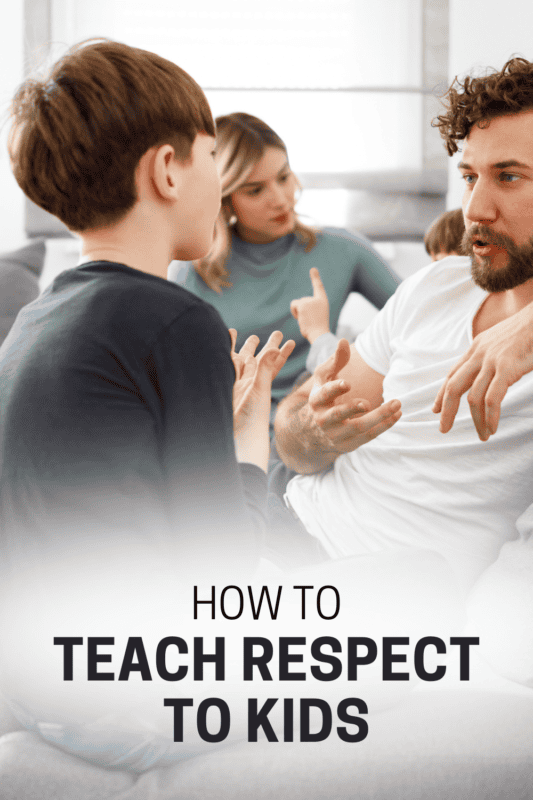
Why Respect Is Important
Respect goes beyond polite words and good manners. It involves showing consideration, honor, and value to others, regardless of age, status, or differences. Teaching respect helps children:
- Build strong relationships with family, peers, and authority figures.
- Understand the importance of listening and considering others’ feelings and perspectives.
- Develop humility and self-control.
- Reflect Christ’s love through their attitudes and actions.
Respect ultimately boils down to what our value is. When children understand how Christ values us, respect is much easier to understand and implement.
Key Bible Verses on Respect
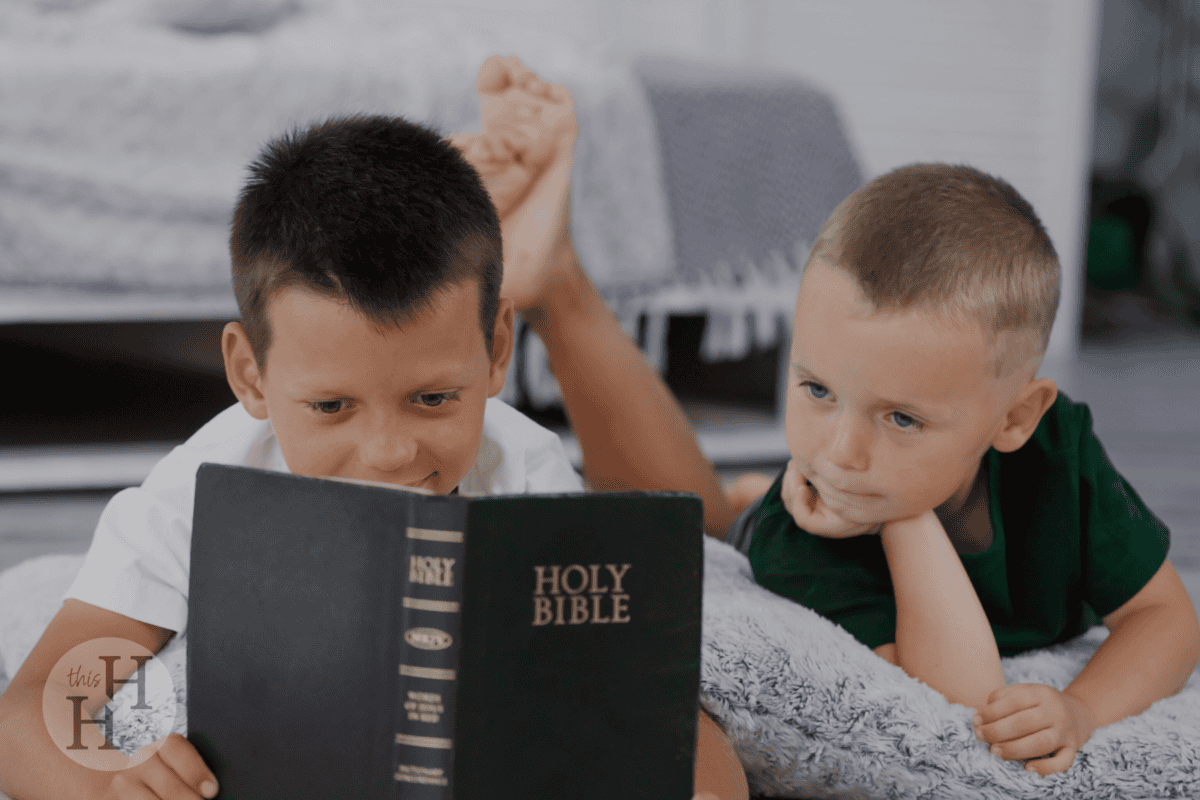
#1 Exodus 20:12
“Honour thy father and thy mother: that thy days may be long upon the land which the Lord thy God giveth thee.”
This commandment teaches that respect begins at home. Honoring parents is not just an act of love but a divine instruction that brings blessings.
Honoring parents also goes beyond the years of childhood. While we may no longer be commanded to obey them as adults, we are always called to give honor to them.
#2 1 Peter 2:17
“Honour all men. Love the brotherhood. Fear God. Honour the king.”
This verse highlights the universal nature of respect. We are called to honor all people, showing kindness and regard for everyone, regardless of their role or status.
#3 Romans 12:10
“Be kindly affectioned one to another with brotherly love; in honour preferring one another.”
Respect involves putting others’ needs ahead of our own, showing honor and genuine care in our interactions.
#4 Leviticus 19:32
“Thou shalt rise up before the hoary head, and honour the face of the old man, and fear thy God: I am the Lord.”
This verse emphasizes respect for elders, reminding us that showing honor to older generations is both a cultural and spiritual value.
Basic Lesson Plan: Teaching Respect

Respect is a character trait that is taught as you go through everyday life with your child. It takes time, consistency, and repetition to work on this heart issue.
However, it can also be very helpful to have an intentional way of addressing it. If that’s what you’re looking for then this lesson plan should help.
Objective:
Help children understand the importance of respect, recognize how to demonstrate it in different situations, and apply it in their daily lives.
Materials Needed:
- Bible
- Paper and markers
- Scenario cards (real-life situations)
- Craft supplies for creating a “Respect Reminder Poster”
Lesson Outline:
#1 Introduction (5-10 minutes)
- Ask: What does it mean to show respect?
- Discuss how respect is more than just saying “please” and “thank you”—it’s about showing honor to others in our actions, words, and attitudes.
- Read Exodus 20:12 together and talk about how honoring parents is part of God’s commandments.
#2 Bible Story (10-15 minutes)
- Share the story of David and King Saul (1 Samuel 24) to illustrate respect for authority, even when it’s difficult. David had the opportunity to harm Saul but chose to show respect because Saul was anointed by God.
- Discuss: Why did David choose to respect Saul even though Saul was unkind to him? What can we learn from David’s example?
#3 Discussion Questions (5-10 minutes)
- Who are some people we should show respect to in our lives?
- Can you show respect even if you don’t agree with someone? How?
- How does respecting others show that we love and follow God?
- How does it feel when someone shows you respect?
#4 Activity: Respect Role-Playing (10 minutes)
- Create cards with scenarios where respect can be shown, such as:
- A friend is speaking. How do you show respect?
- You disagree with your sibling. How can you respond respectfully?
- An elder gives you advice. How do you react?
- Have children act out the respectful response to each scenario.
#5 Craft: Respect Reminder Poster (15 minutes)
- Provide paper and markers for children to create a poster with the words “Show Respect in All You Do”.
- Include drawings or symbols representing respect, such as listening ears, helping hands, or hearts.
- Add Exodus 20:12 as a reminder that respect starts at home.
#6 Real-Life Application (5 minutes)
- Challenge your children to practice respect in specific ways throughout the week, such as:
- Speaking kindly to siblings.
- Listening without interrupting.
- Helping with chores without being asked.
- Reflect on their experiences at the end of the week to discuss how showing respect made a difference.
Additional Activity Ideas

- Respect Journal: Have children keep a journal where they record times they showed respect and how it affected their relationships.
- Family Respect Challenge: Create a family chart where each family member earns points for acts of respect throughout the week.
- Respect Chain: Make a paper chain, adding a new link each time someone in the family shows an act of respect. Watch it grow as a visual reminder of how small acts build strong connections.
Final Thoughts
Teaching respect is about more than just manners; it’s about shaping hearts to value and honor others as God commands.
Through Scripture, real-life practice, and intentional conversations, we can raise children who treat others with kindness, consideration, and love.
Showing respect to those around us often takes self-control, patience, and a plethora of other worthy character traits. It’s a skill well worth working on with your child.