6 Valuable Old Fashioned Skills to Teach to Your Kids
*This post may contain affiliate links. As an Amazon Associate I earn from qualifying purchases.*
In today’s world of smartphones, instant messaging, and digital everything, many old fashioned skills are becoming a lost art. But that doesn’t mean they aren’t valuable!
Teaching traditional skills in your homeschool not only helps kids develop practical knowledge, but it also connects them to history, fosters independence, and encourages creativity.
Whether it’s baking bread from scratch or learning the basics of woodworking, these hands-on skills can be a fun and enriching addition to your homeschool.

6 Valuable Old-Fashioned Skills to Teach Your Kids
This list is by no means exhaustive, but it’s a good starting off point if you’re wanting to really delve into this area.
#1 Sewing and Handcrafts: The Art of Making
Hand-sewing, knitting, and embroidery have been practiced for centuries, and they remain useful today. Learning these skills helps improve fine motor coordination, patience, and creativity.
- Basic Sewing Skills: Teach kids how to sew on a button, mend a tear, or create a simple pillowcase.
- Knitting & Crocheting: Great for building focus and persistence—kids can start with simple scarves or dishcloths.
- Embroidery & Cross-Stitch: A wonderful way to introduce kids to detailed handiwork and historical samplers.
- Quilting: Try making a simple patchwork quilt together, combining history with creativity.
These activities aren’t just practical—they also help kids develop an appreciation for craftsmanship and slow, mindful work.
Creativity is built into all of us. I would argue that it’s an innate human need to want to create in one way or another.
I’ve been so thankful over the years to have the sewing skills I need to be able to have fun creating different projects.
#2 Baking from Scratch: Kitchen Skills with a Historical Twist

Baking is more than just a fun pastime; it’s a great way to teach math, science, and history all at once!
- Homemade Bread: Teach the basics of measuring ingredients, kneading dough, and baking fresh bread.
- Butter Making: Show kids how butter was made before grocery stores by shaking heavy cream in a jar until it forms butter.
- Traditional Family Recipes: Pass down favorite family recipes and talk about how they’ve been made for generations.
- Preserving & Canning: Learn how to make homemade jams, pickles, and canned fruits like people did before refrigeration.
Cooking from scratch not only teaches valuable life skills but also helps kids develop confidence in the kitchen.
It is more important than ever that our children know what is in the food that they eat. Knowing how to cook from scratch shouldn’t be an old-fashioned skill. It’s really something that is imperative for every child to learn.
#3 Gardening: Growing Your Own Food
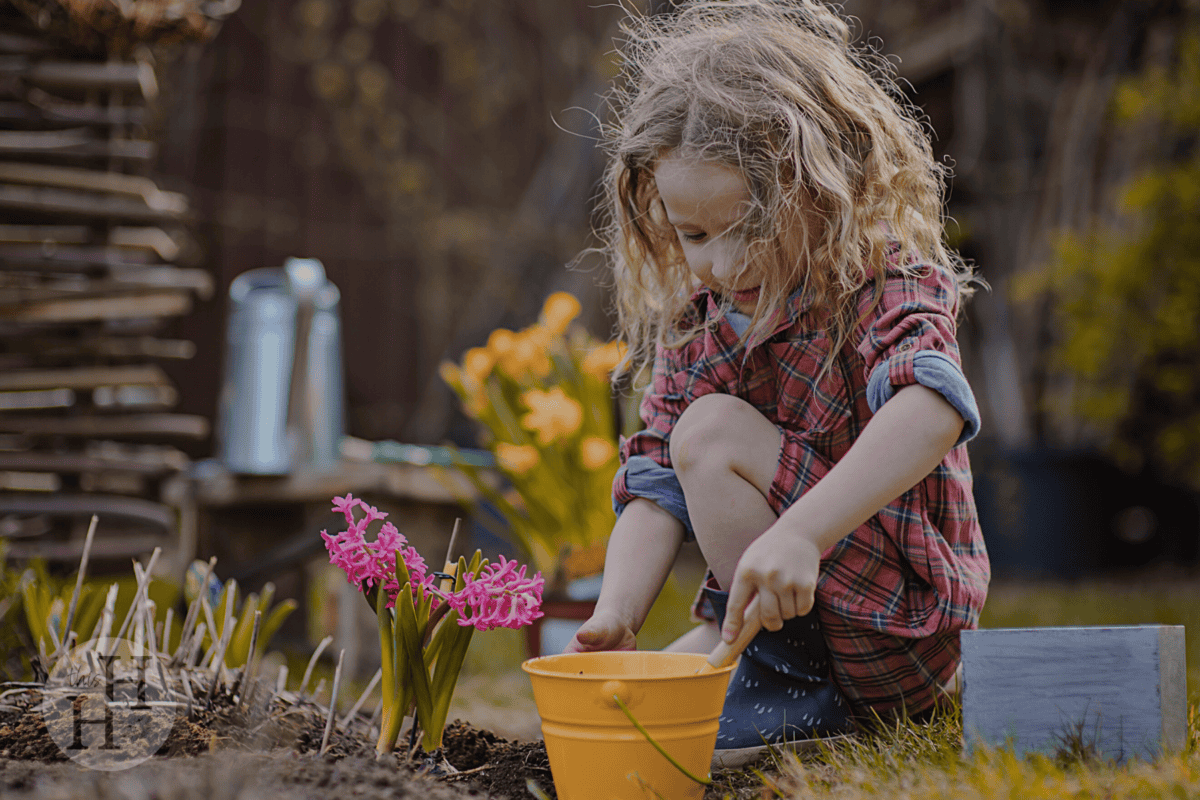
Gardening is one of the most rewarding hands-on activities for kids, teaching patience, responsibility, and the science of plants.
- Starting Seeds Indoors: Kids can learn about plant life cycles by growing herbs or vegetables from seeds.
- Composting: Teach kids about sustainability and reducing waste by creating a compost bin.
- Victory Gardens: Study the history of victory gardens during wartime and plant your own!
- Wildcrafting: Learn how to identify edible plants and herbs that grow naturally in your area.
Gardening not only teaches science but also helps kids appreciate where their food comes from.
The thing to keep in mind is that you actually don’t need a lot of space to create a garden. You can even just use pots if you don’t have an outdoor space. Be creative!
#4 Candle & Soap Making: Practical and Creative Skills
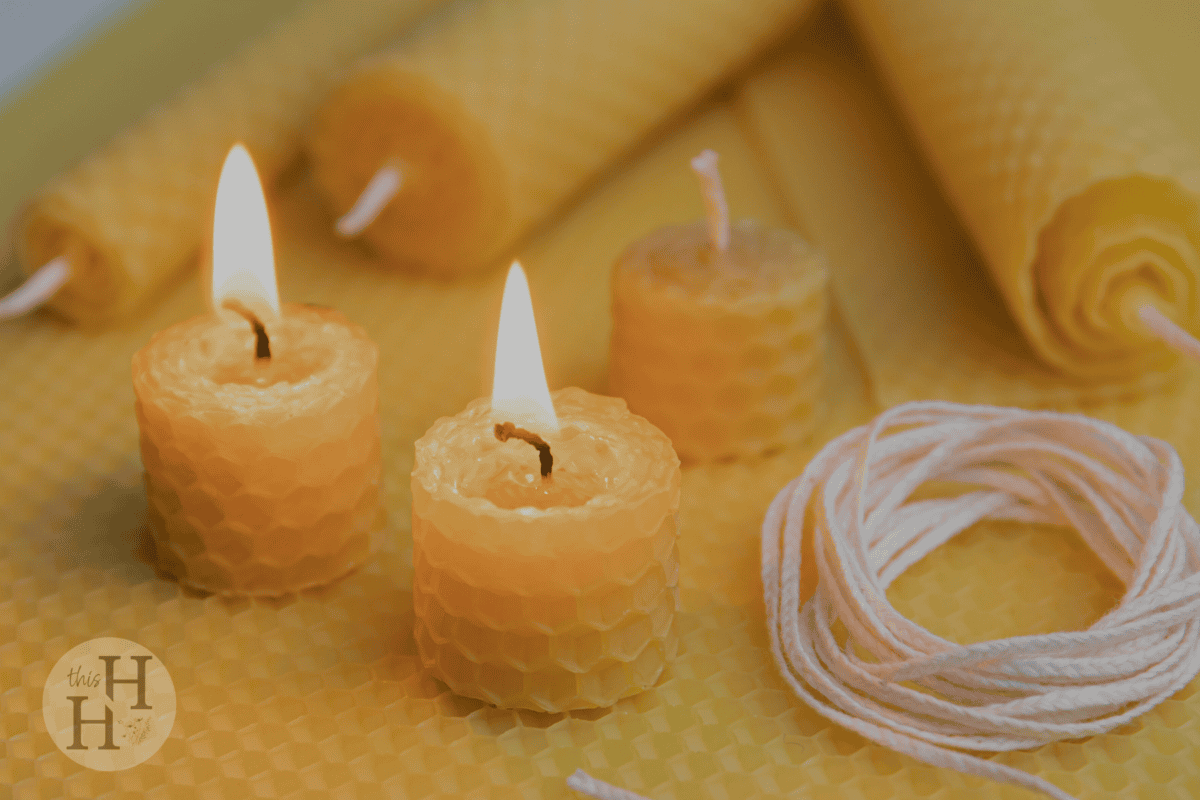
Long before electric lights and store-bought soap, people made their own household products. Learning how to make candles and soap is a great way to explore both history and chemistry.
- Beeswax Candles: Roll beeswax sheets or melt wax to create homemade candles.
- Tallow or Soy Candles: Learn about early candle-making methods using natural ingredients.
- Basic Soap Making: Create simple melt-and-pour soaps, or try cold-process soap making for an advanced lesson.
- Scent Experimentation: Add herbs and essential oils to customize soaps and candles.
These activities give kids an appreciation for handmade goods and the effort that went into everyday necessities in the past.
#5 Woodworking: Building Practical Skills

Carpentry and woodworking are valuable skills that help kids develop problem-solving abilities and confidence.
- Simple Projects: Start with birdhouses, picture frames, or small shelves.
- Hand Tool Skills: Teach the basics of using a hammer, saw, and screwdriver safely.
- Whittling: Introduce kids to basic carving techniques with soap or soft wood.
- Furniture Restoration: Learn how to sand and refinish old furniture, connecting history with hands-on work.
Woodworking encourages creativity and gives kids a sense of accomplishment in making something with their own hands.
I’ve been able to refinish so many pieces of second-hand furniture that we’ve then been able to use in our home. It has saved us a lot of money. My kids are picking up skills while they watch me work.
#6 Letter Writing: The Lost Art of Handwritten Communication
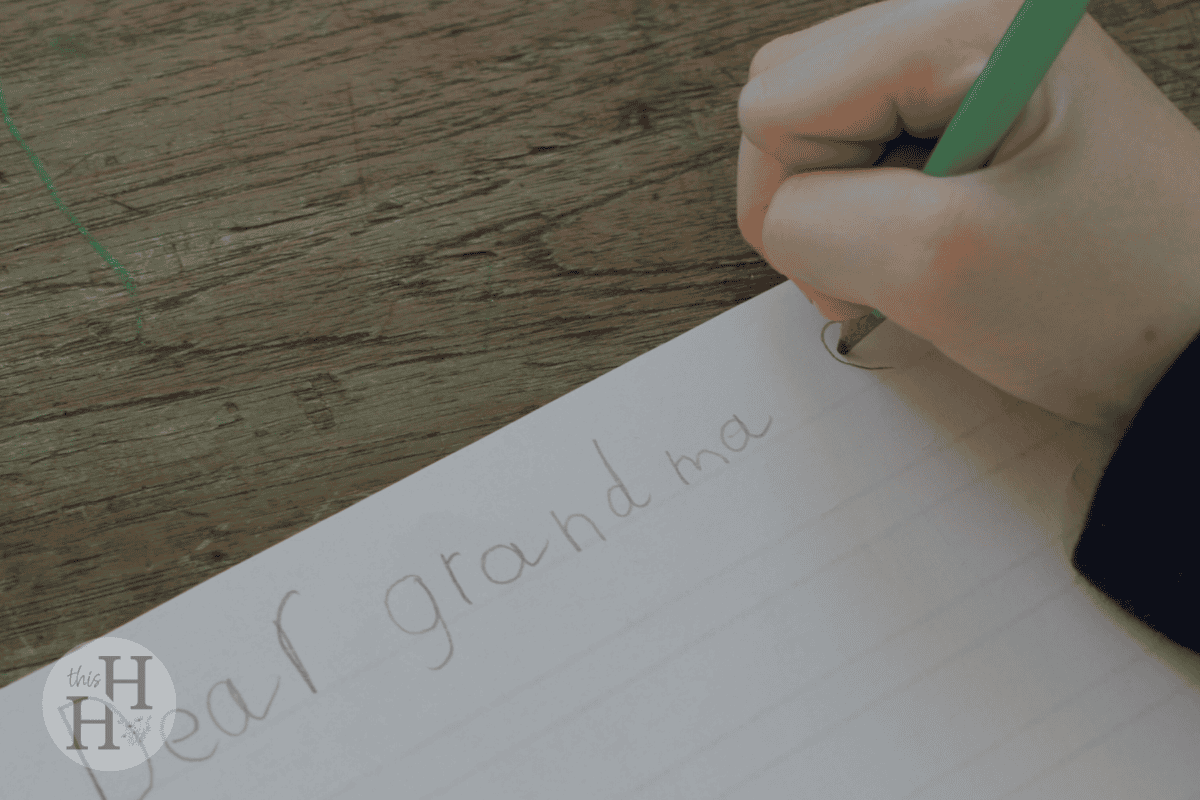
In an age of instant messaging, handwritten letters have become rare. Bring back this meaningful practice with fun writing projects.
- Pen Pals: Find a homeschool pen pal program to encourage regular letter writing.
- Calligraphy & Handwriting Practice: Teach kids decorative writing styles for an artistic touch.
- Family Correspondence: Have kids write letters to grandparents or relatives and discuss the importance of written history.
- Thank You Notes: Encourage gratitude and social etiquette through handwritten thank-you cards.
Letter writing fosters patience, communication skills, and the ability to express thoughts clearly.
It’s also a fantastic activity for working on neat penmanship!
Final Thoughts
Incorporating old fashioned skills into your homeschool routine isn’t just about nostalgia—it’s about teaching practical life skills, fostering independence, and connecting kids with history in a meaningful way.
Whether it’s baking, sewing, gardening, or woodworking, these timeless skills create opportunities for hands-on learning, creativity, and family bonding.
Most of these skills can be heavily utilized right now, today. Your kids will thank you for teaching them!