12 Engaging Ways to Teach Christmas Around the World in Your Homeschool
*This post may contain affiliate links. As an Amazon Associate I earn from qualifying purchases.*
As someone who lives in the Southern Hemisphere, I’m very used to not having our summer experience of Christmas represented at large.
When Christmas is portrayed on TV and online, it is most commonly shown as snowy, with hot cocoa, Christmas lights, and other wintertime activities.
Honestly, it has never bothered me, but I’m also very conscious of the fact that there are people all around the world who celebrate Christmas very differently from how we do here in New Zealand.

It’s really important to share with our children how different cultures and countries do things in comparison to what they are used to.
Exploring Christmas around the world is an important and fun thing for homeschool families to do.
The holiday season provides a natural opportunity to introduce your children to global cultures and traditions, allowing them to learn about the ways different countries celebrate Christmas.
While you may see the importance of what I’m talking about, you may be struggling with how to practically implement it.
With that in mind, here are 12 unique activities for teaching Christmas traditions from around the world in your homeschool.
12 Christmas Around the World Homeschool Activities
This certainly isn’t a curriculum, but it is intended as a way for you to easily implement some basic activities into your homeschool so that you can have fun exploring different Christmas traditions from around the world.
#1 Create a Christmas Traditions Passport
Kick off your study by making a “Christmas Traditions Passport” for each child. Every time you explore a new country, add a stamp or sticker to their passport.
Kids can draw the country’s flag, add a symbol, or even write down a favorite fact. This visual reminder can help them connect the traditions of each culture and look forward to their next “destination.”
Grab a free copy of our Christmas Passport printable by signing up below!
#2 Celebrate with Traditional Foods
Nothing brings a culture to life like food! Make or try traditional holiday dishes from around the world, such as:
- Mexico: Buñuelos, a type of fried dough with sugar
- Italy: Panettone, a sweet bread popular at Christmas
- Germany: Pfeffernüsse, spiced cookies enjoyed during Advent
Discuss how food traditions are influenced by climate, geography, and local ingredients.
For us here in New Zealand, it is very common to BBQ on Christmas day. No one wants to be in a hot kitchen cooking a roast!
#3 Explore Holiday Music and Dance

Music is a universal part of holiday celebrations, and many countries have unique carols or dances.
- Puerto Rico: Play traditional parrandas songs and try a lively caroling activity.
- South Africa: Listen to local carols sung in multiple languages, like Zulu and Afrikaans.
- Ukraine: Introduce children to “Carol of the Bells,” which originated from a Ukrainian folk chant.
Try creating simple homemade instruments or clapping to the beat of each country’s music.
#4 Learn About Santa’s Global Counterparts
Around the world, children anticipate holiday visitors who bring gifts and cheer, but they don’t all look like Santa!
- Netherlands: Sinterklaas arrives by boat from Spain. Kids can leave their shoes out for treats.
- Italy: La Befana, a friendly witch, brings gifts on Epiphany, January 6th.
- Iceland: The 13 Yule Lads visit kids’ homes each night leading up to Christmas, each with unique personalities and mischief.
Discuss what each character symbolizes, and have fun drawing or dressing up like them!
#5 Make Traditional Holiday Decorations
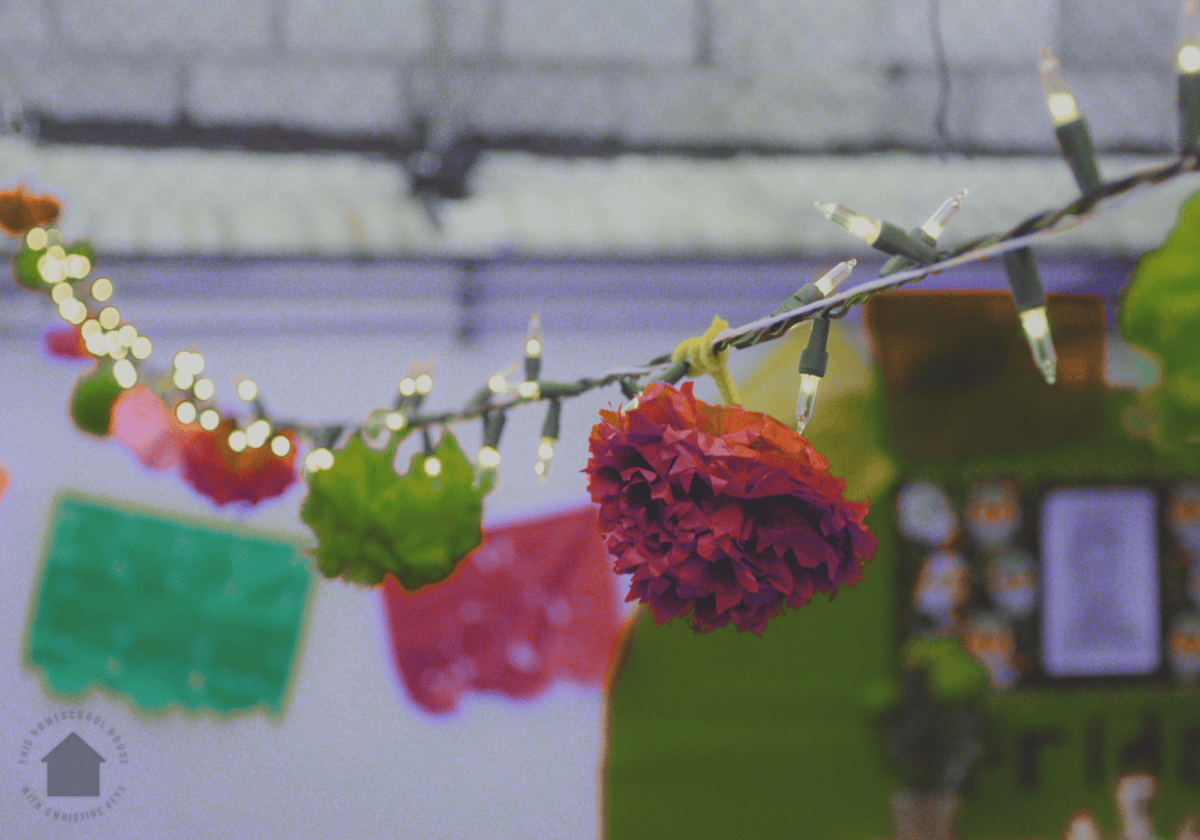
Bring the festive feel of each culture to your home by crafting decorations inspired by different countries.
- Sweden: Create a Dala horse or decorate a wreath in traditional Swedish style.
- Mexico: Make colorful papel picado or a star-shaped piñata for Las Posadas.
- Poland: Craft a paper gwiazda star, often used to decorate for Wigilia (Christmas Eve).
These decorations add a global touch to your home and deepen kids’ connection to each culture.
Related: Fun & Easy DIY Christmas Ornaments
#6 Read Stories and Folktales
Storytelling is a meaningful way to learn about Christmas traditions. It’s also such an easy way to introduce your children to different cultures.
- Finland: Learn about Joulupukki, the Finnish Christmas “goat” who brings gifts.
- Mexico: Read the tale of Las Posadas, celebrating Mary and Joseph’s journey to find shelter.
- Iceland: Discover the legend of the Yule Cat, a creature that encourages children to receive warm clothes as gifts.
You can snuggle up together somewhere warm and cozy (if you’re celebrating Christmas in winter) or set up a picnic outside in the sun (if you’re celebrating in summer) to do this.
#7 Make a Christmas Craft from Around the World
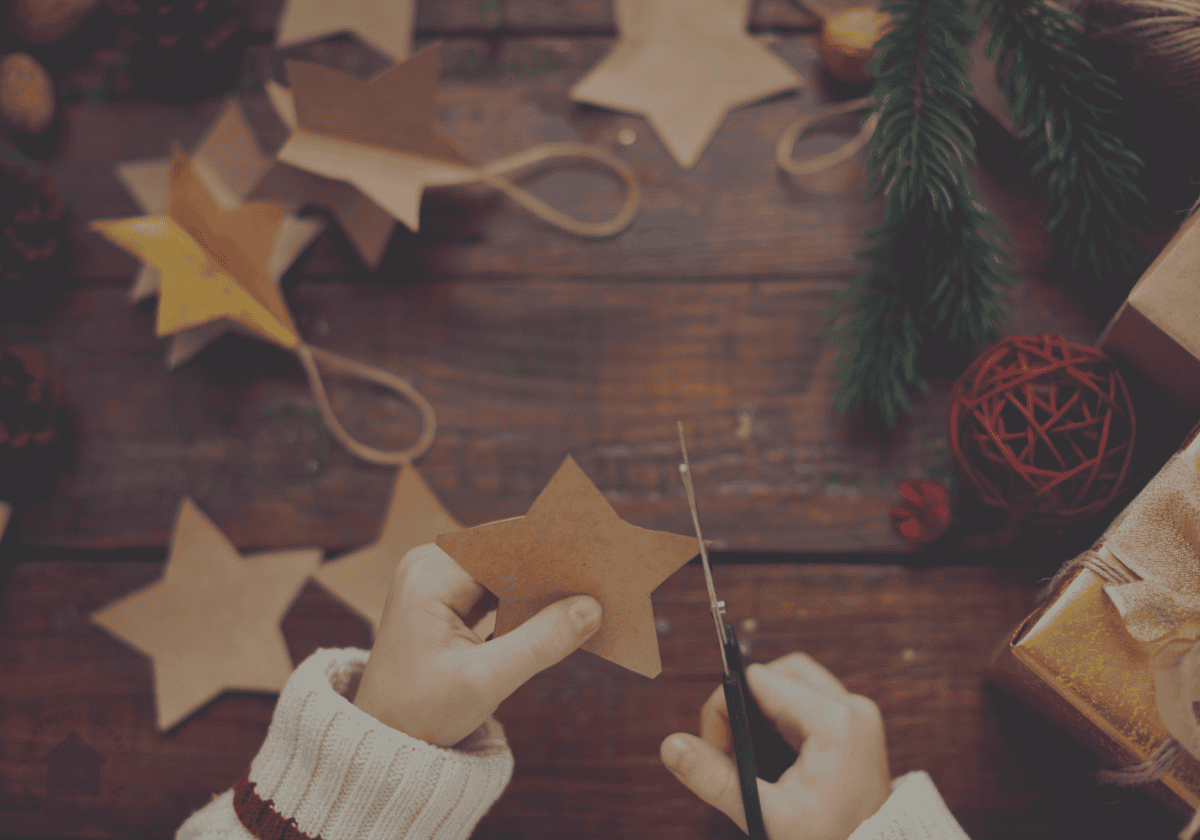
Hands-on crafting is a great way to explore cultural symbols and themes.
- Greece: Create a karavaki, a decorated boat symbolizing safe travel.
- Japan: Craft paper cranes or create small, paper-wrapped gifts, as gift-giving is common in Japanese holiday traditions.
- Ukraine: Make a spider ornament to represent the Ukrainian tale of the Christmas Spider.
These crafts not only spark great learning opportunities but they could even be used as gifts.
Related: Low-Mess Toddler Christmas Crafts
#8 Study Christmas Symbols from Around the World
Many cultures have unique Christmas symbols that convey their values and stories.
- Australia: Decorate with Christmas bush flowers, which bloom in December. (In New Zealand we have the Pohutukawa tree)
- Norway: Learn about the Julebukk, or Yule Goat, symbolizing good fortune and holiday cheer.
- Philippines: Discuss the parol, a star lantern hung during the Christmas season.
Encourage kids to draw or create their own versions of these symbols to deepen their understanding of each culture.
#9 Celebrate Epiphany Traditions
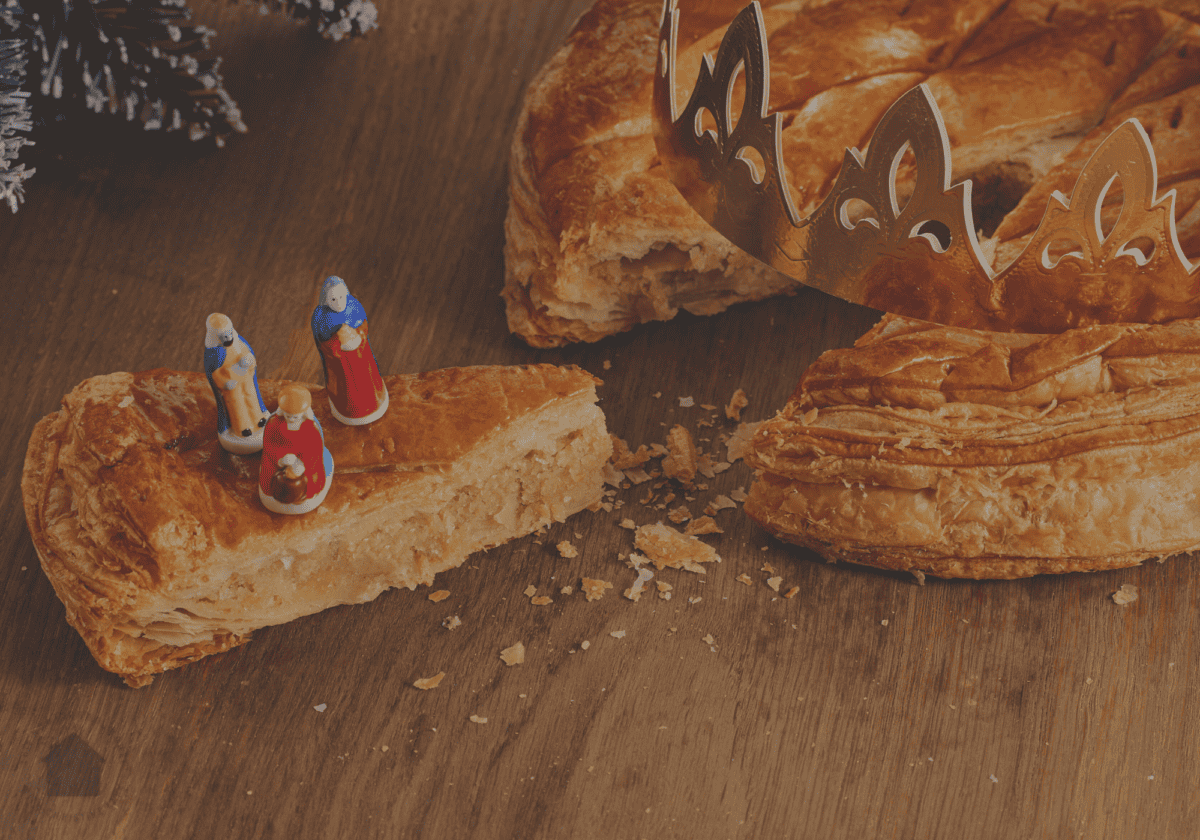
While December 25th is a focal point for many, in some cultures, the celebration extends to Epiphany on January 6th.
- Spain: Learn about Día de los Reyes (Three Kings Day) and bake a Roscón de Reyes, a sweet bread with surprises inside.
- France: Make or buy a Galette des Rois, a pastry eaten on Epiphany.
- Greece: Discover the Blessing of the Waters ceremony, where a cross is thrown into the water and retrieved to symbolize cleansing.
These traditions provide insight into the religious and cultural roots of the season.
Related: 7 Special Christmas Traditions Worth Starting with Your Family
#10 Explore Gift-Giving Customs
Gift-giving customs vary widely, providing a window into each culture’s values.
- Germany: Learn about Nikolaustag on December 6th, when children leave shoes out for treats.
- Japan: Discuss oseibo, the custom of giving gifts to express gratitude.
- Russia: Look into Ded Moroz (Grandfather Frost), who brings gifts on New Year’s Eve.
Compare these customs to local traditions, and encourage kids to reflect on the meaning of giving.
Related: The Best Gratitude Activities for Your Kids This Christmas
#11 Watch a Global Christmas Movie or Show

Many holiday films from around the world showcase different cultural perspectives.
- Mexico: Watch The Legend of the Poinsettia, a story about the origins of the Christmas flower.
- Italy: Watch La Befana Vien di Notte (The Befana Comes at Night) to learn about Italy’s Epiphany traditions.
- Finland: Joulutarina (Christmas Story) tells the story of a young Santa Claus and the Finnish landscape.
After watching, discuss how each culture’s beliefs and traditions are reflected in their holiday media.
#12 Make a Christmas Around the World Map
As you complete each activity, have your kids add the countries to a world map.
- Label each country and include a small drawing of a unique Christmas symbol or food.
- Use different colors to mark where each Santa counterpart lives, or decorate the map with small paper decorations.
This visual reminder reinforces learning and builds a global perspective on holiday traditions.
Final Thoughts
Learning about “Christmas around the world” is a wonderful way to celebrate the holiday season while also continuing to homeschool. By exploring different ways people celebrate Christmas, you’re helping your children cultivate empathy, curiosity, and a deeper connection to diverse cultures.
Each of these 12 activities brings a bit of the world into your homeschool, turning this holiday season into an adventure of discovery and understanding.
You may also find that your children gain a deeper appreciation for the way that they are able to celebrate Christmas.