Why Your Baby Hates the Swaddle (and what to do about it)
*This post may contain affiliate links. As an Amazon Associate I earn from qualifying purchases.*
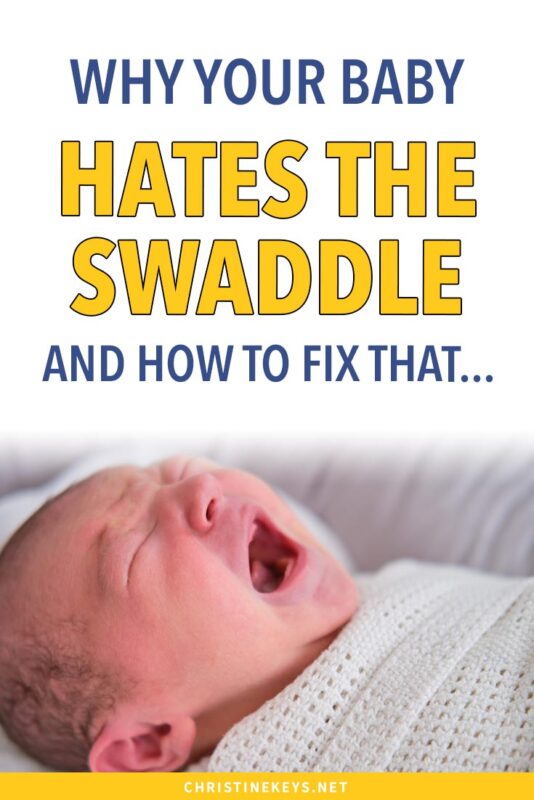
You’ve just finished wrapping up your fresh newborn baby in a nice swaddle. They should be happy, content, and sleeping soundly. Instead, it appears that your baby hates the swaddle and you’re seriously questioning whether you should have been allowed to bring this child home without supervision.
It doesn’t matter how many parenting books you read, how much advice you were given, or how much motherhood instinct you were born with. At one point or another as a new mom, you will feel out of your depth and overwhelmed by something that’s supposed to be simple.
When it appears that your baby hates the swaddle, the truth is there’s a good chance it’s more likely to be that you’re not doing it right. Find the right technique and it can be like magic for soothing a fussy, tired baby.
I mean, there are exceptions but it is very common that new parents need to hone their swaddling skills a bit.
So, let’s talk a bit about the magic of a good swaddle and how to make it work for your baby.
The Truth About Why Your Baby Hates the Swaddle
I thought it would be helpful to start off by answering some common questions about this subject and then we can get onto some practical solutions to help you and your baby sleep better.
Why Does My Baby Fight the Swaddle?
If you find that your baby is fighting being swaddled for a few minutes after you get them all wrapped up, this can be completely normal.
My babies would wriggle around for some time as they got comfortable but would then become very content. It may simply be a matter of stepping back and waiting to see how they do.
However, if they are constantly fighting the swaddle then there are a couple of other possibilities.
First of all, they could have a sore tummy. If your baby hasn’t been adequately burped before being swaddled and put down for a sleep, then it’s very likely they will have trapped wind that needs to be worked out. This can also be a common reason for short naps.
Secondly, the swaddle may not be done correctly resulting in your baby’s arms not being snug enough, or, alternately, being too tight.
There are so many fabulous videos online now that give good instruction on how to swaddle correctly. Take a little time to watch a few and then practice when your baby is content.
I’ll be sharing my tips and recommendations further down this page.
Do Babies Not Like Swaddling?
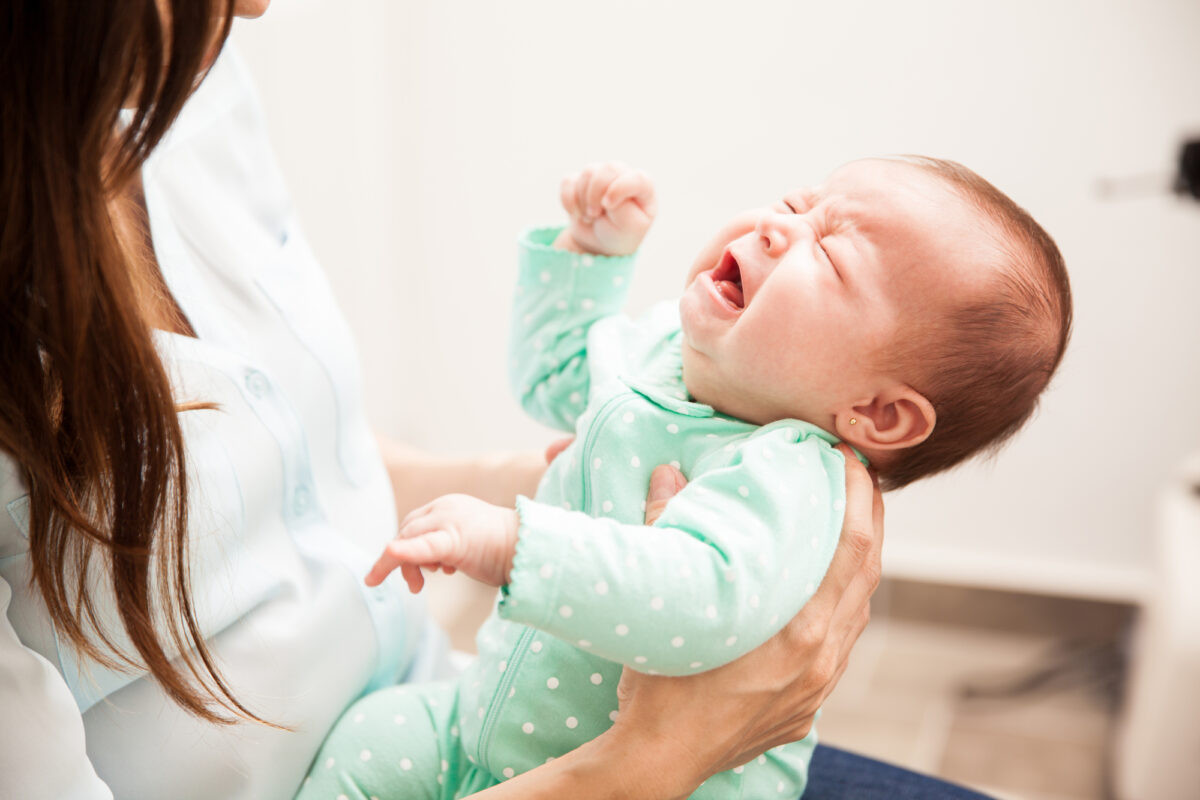
It is rare that a baby does not like to be swaddled. The vast majority of them do which is why swaddling is still so commonly practiced.
Swaddling correctly and safely is of utmost importance but it really is a wonderful parenting tool. Safe swaddling takes into consideration things like:
- Adequate room for the hips and legs to move in order to reduce the risk of hip displaysia (the focus for swaddling should be on baby’s arms)
- Breathable material
- Not unreasonable tight
It’s also not uncommon for a baby to seem to hate the swaddle when they’re first wrapped up but to then see them settle contentedly after just a few minutes.
Another common misconception is that your baby wants to have their arms up. Babies sleeping with their arms up is a very natural position for them to settle in, however, it can result in disrupted sleep for a couple of reasons.
Their natural startle reflex can wake them. Also, their rooting reflex means every time their little hand comes near their mouth it can also disturb them.
How Do You Know if Baby Hates Being Swaddled?
If you have tried all the recommendations that we’re about to go through and your baby still gets really mad when you swaddle them, then it’s safe to say that you’ve got an exception to the rule.
Not all babies will enjoy being swaddled. Thankfully, there are swaddle alternatives (which we’ll talk about soon!) that can still be helpful.
What Do I Do if My Baby Hates Being Swaddled?
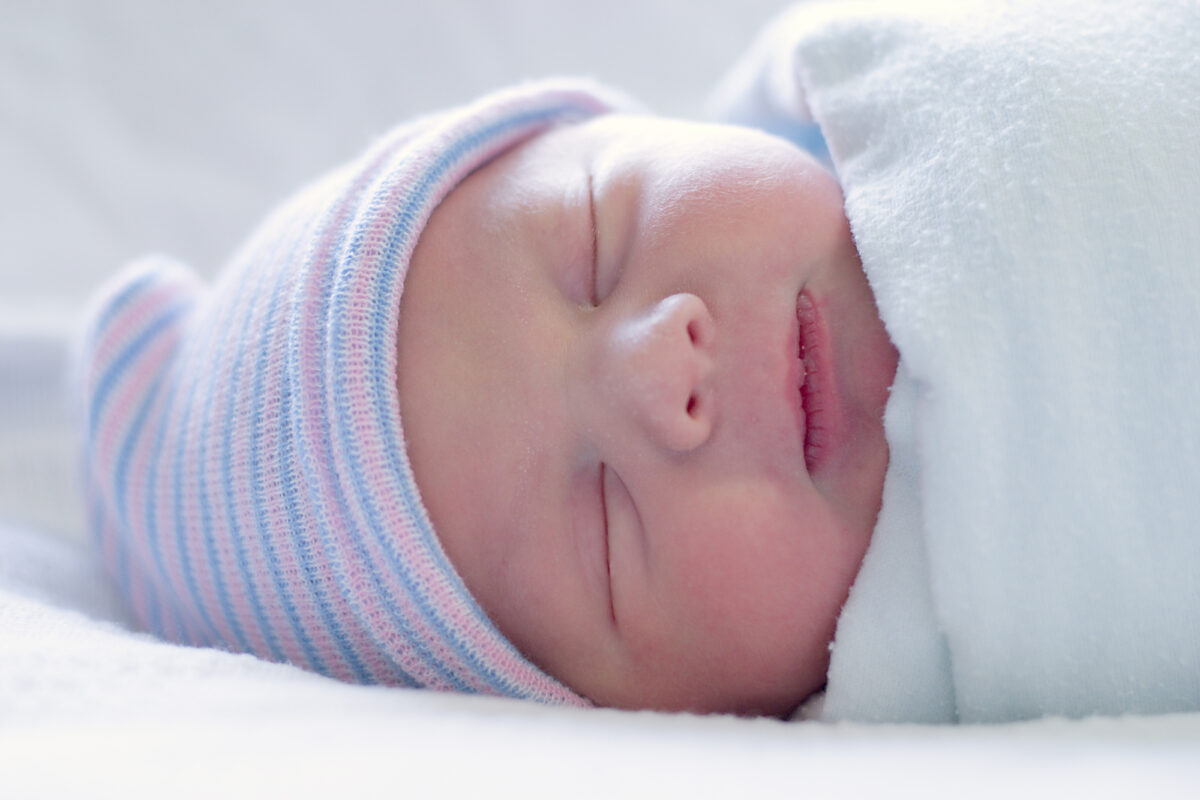
Chances are, if you’re reading through this then you’ve got a baby who is sharing their obvious disdain whenever you try to swaddle them.
If that’s the case, then let’s talk about some ways to work through this and see if there’s an obvious solution.
A checklist can be helpful to make sure that you’re on the right track:
- Is baby full, burped, and ready to sleep? If not, the swaddle is likely not the problem.
- What kind of swaddle are you using? Some babies prefer more movement than others.
- Are baby’s arms snug by their sides but their legs free to move?
- Are you using a breathable fabric so they’re not overheating?
All of these points are valid and worth checking before you decide that swaddling is not right for your baby.
You might be wondering…why swaddle at all? I mean, who really cares? Why is this something worth learning about? Let’s chat about it…
The Benefits of Swaddling Your Baby
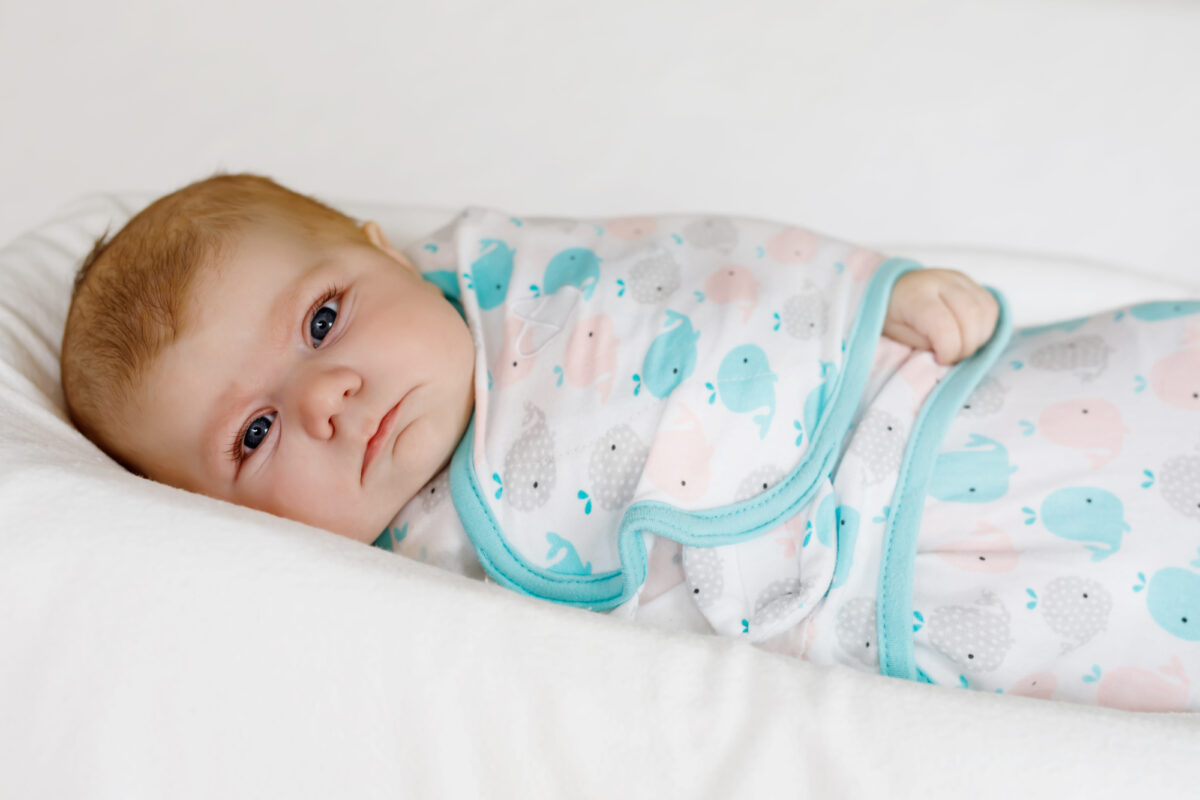
Once upon a time babies were swaddled for months and months which wasn’t exactly a healthy thing, especially due to the way in which they were swaddled.
Nowadays, it’s not uncommon for new moms not to even know that swaddling is something worth doing.
So, why is it considered a good idea to swaddle your baby?
Here are some great reasons to consider swaddling:
- It suppresses the startle (moro reflex) reflex which results in longer stretches of sleep (yay!)
- Swaddling helps keep your baby warm
- It helps calm them as they’re wrapped tight simulating what it was like in the womb which helps your baby feel snug
- Swaddling can help reduce the risk of SIDS (sudden infant death syndrome) by removing the risk of loose blankets in the crib
A winning combination in our home to soothe my newborn babies was a good snug swaddle wrap combined with white noise.
It could take my fussy baby from complete hysterics to absolute calm in a matter of minutes.
My favorite of all the swaddling techniques I used for my newborns was the Moms On Call swaddle method. I have a full post about how to swaddle the Moms On Call way that you can read through.
The method they share really nails how to get all the tucks and pressure points in the right place.
If you have a swaddle Houdini who seems to wriggle out no matter how tight you make the swaddle, a great tip is to use the batwing swaddle method. This is where you use two swaddle blankets to make sure they aren’t going to wriggle their way out.
Alternatively, below I’m listing some wonderful swaddle products (and alternatives) that make this whole swaddling business a whole lot simpler.
The Best Swaddles and Swaddle Alternatives
Finding the right swaddle can be half the battle, especially as a first time mom. Here are some really wonderful suggestions that I’ve personally used.
Moms On Call Swaddle Blanket – this thing is large and well made. Most standard receiving blankets aren’t big enough to properly swaddle your baby so the Moms On Call team made one that is.
Miracle Blanket – This is what I used with all three of my babies once they had moved past the tiny newborn stage and started to wriggle out of the standard swaddle blankets. It’s essentially the batwing swaddle technique and is probably my favorite product for swaddling. It was the best way to get the job done with as little effort as possible.
Velcro Swaddle – There are a number of brands that make this style of swaddle. It’s as simple as it looks. You just pull the velcro tabs over and your baby is all swaddled up tight. I will say that at least one of my babies did eventually get strong enough to break out of this. For a new baby, it is perfect.
Halo SleepSack – This is a wonderful solution for babies who don’t love a traditional swaddle but still need help controlling that startle reflex. Plus, it is made so that you can gently transition your baby to having their arms out and using it as a sleep sack. This is a great way of future-proofing.
Sleep Sack – A standard sleep sack works well for a baby that doesn’t have a strong startle reflex. It will keep them warm and become a sleep cue when used consistently for sleep time. It also eliminates the risk of having loose blankets in the crib.
When to Drop the Swaddle
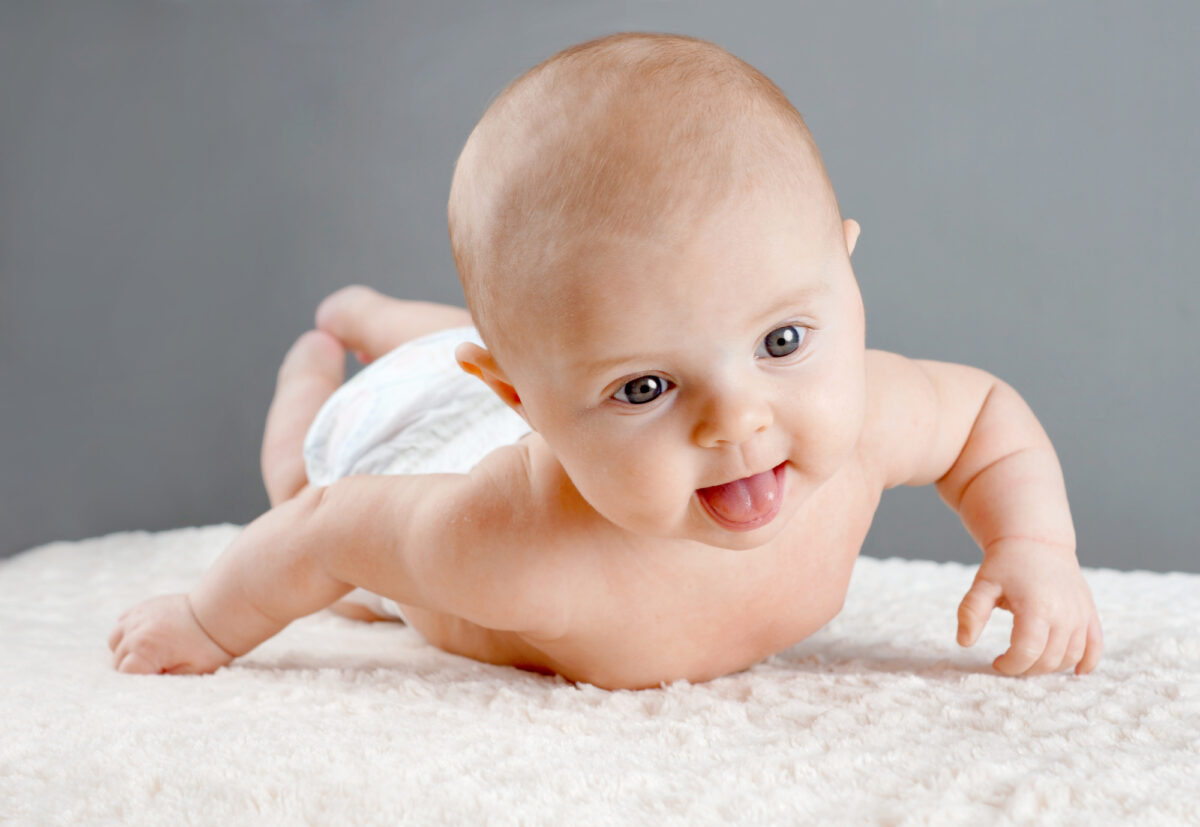
With all this talk about how to swaddle correctly so that your baby doesn’t hate the swaddle, you might be wondering when you’re supposed to stop swaddling?
Current guidelines from the American Academy of Pediatrics say it is recommended to drop the swaddle by 2 months of age or when your baby starts to show signs of rolling.
My personal experience was having babies on the smaller side. Unswaddling them happened more around the 3-month mark as a result.
Another good indicator is if your baby is consistently wriggling out of the swaddle. This often means they’re ready to sleep without it. You also can take this as a sign because it’s not safe to have loose blankets in the crib with them.
Now, knowing when to stop swaddling and knowing how to stop swaddling are two separate things entirely.
You can read about how to drop the swaddle in this post. There are actually a few ways to try it. Whether you’re interested in going cold turkey or doing more of a gentle transition, you’ll find some great tips.
Conclusion
Despite how many parenting books represent the situation, babies are in fact, not robots. Your baby isn’t going to like exactly the same things as your friend’s baby.
Most babies will love to be swaddled when it is done the right way. However, there are always going to be exceptions to the rules.
You know your baby best so trust your instincts. That can seem really overwhelming at first but over time you’ll learn how to lean into it more and more.
If your newborn baby hates the swaddle, give these recommendations a try. I really hope they help!
A freshly swaddled little burrito baby is one of the scrummiest sights. The second scrummiest sight is that of them stretching after a good sleep.
The important thing is that you find what works for you and your baby.
FAQs
What to Do When Baby Won’t Stay Swaddled?
Aside from the fact that a baby getting out of their swaddle tends to end in sleepless nights, it’s also super important for baby’s safety to make sure there are no loose blankets in the crib.
The most important thing is to find a swaddling solution that gives the comfort of a swaddle without the risk of it coming loose. The Halo swaddle is a great option that promotes safe sleep while also being helpful for newborn sleep.