5 Easy Science Experiments for Kids at the Beach
*This post may contain affiliate links. As an Amazon Associate I earn from qualifying purchases.*
Easy science experiments for kids aren’t always easy to come by, but here you’ll find just that.
Heading to the beach is already a great adventure, but why not add a little hands-on learning into the mix? The shoreline is the perfect outdoor lab for kids to explore science in a fun and engaging way.

5 Easy Science Experiments for Kids
From experimenting with tides to investigating ocean ecosystems, here are five easy science experiments you can do at the beach with your kids.
#1 Tide Tracker: Observing the Movement of Water
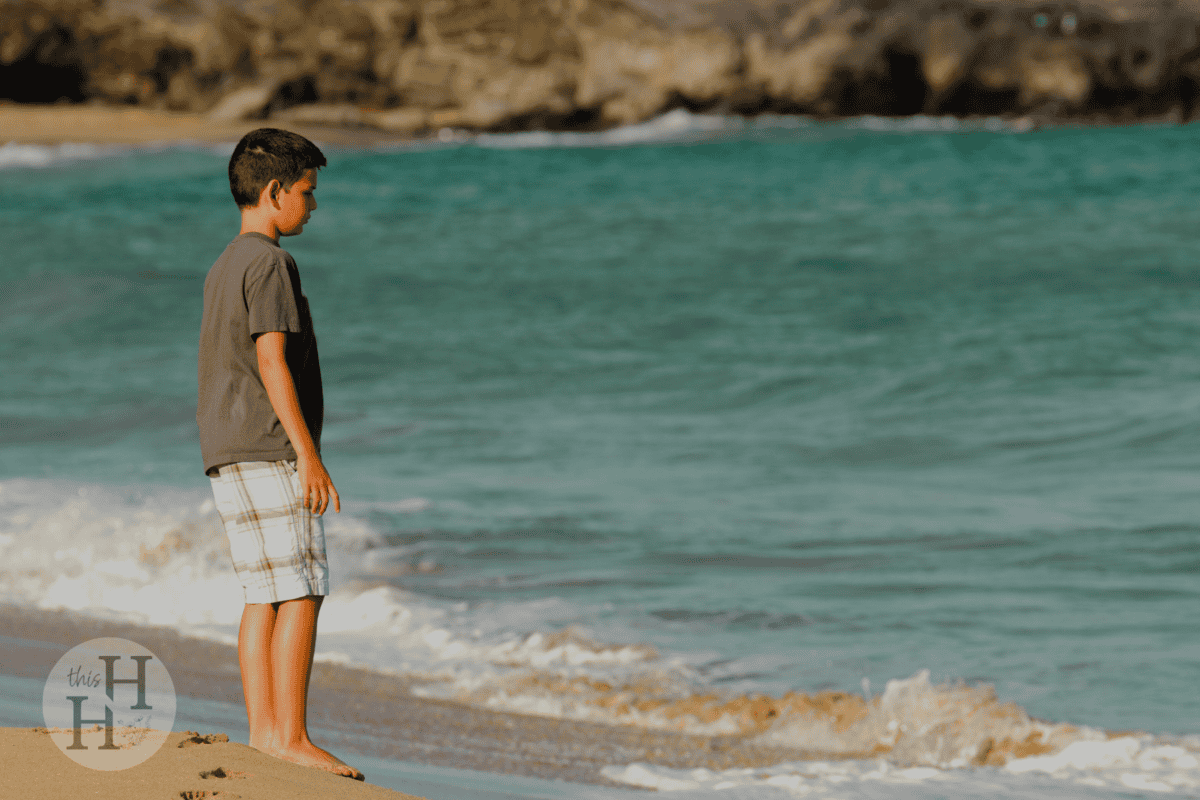
Tides are one of nature’s coolest phenomena, and the beach is the best place to see them in action. Before heading to the shore, check the tide schedule for the day.
Once you arrive, have your kids mark the waterline with a stick or pile of rocks. Set a timer and check back every 30 minutes to observe the changes.
Talk about how the moon’s gravitational pull affects the ocean’s tides and why some beaches have bigger tide changes than others. For an extra challenge, compare morning and evening tides to see how they shift throughout the day.
#2 Sandcastle Erosion: Testing Water’s Impact on Structures

Building sandcastles is a must at the beach, but did you know it can also be a great lesson in erosion?
Start by having your kids build a sandcastle close to the water’s edge. Then, let the waves do their thing! Observe how the water gradually breaks down the structure.
Move the experiment further up the beach and have your kids build another castle. Compare how long each one lasts before eroding.
Discuss why structures closer to the water disappear faster and how engineers and coastal planners use this information to protect shorelines.
#3 Floating vs. Sinking: Exploring Buoyancy
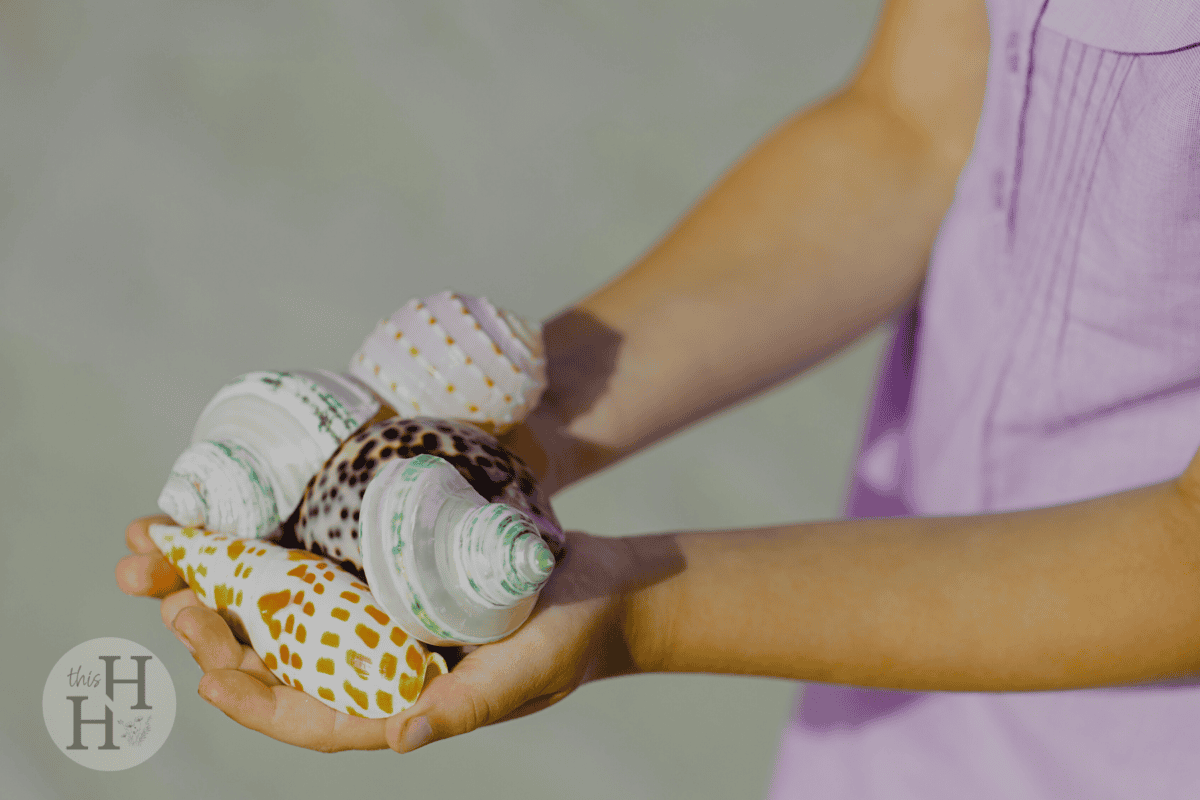
Bring along a small bucket or fill a hole in the sand with seawater to create a mini lab. Ask your kids to collect various beach objects—shells, rocks, seaweed, pieces of driftwood—and predict whether each item will float or sink.
One by one, drop the objects in the water and observe.
Talk about how objects with more air (like driftwood) tend to float, while denser objects (like rocks) sink. You can even bring a small plastic bottle and fill it with different amounts of sand to see how weight affects buoyancy.
#4 Saltwater vs. Freshwater: Investigating Density
Ever wonder why it’s easier to float in the ocean than in a swimming pool? This experiment helps kids understand the density of saltwater compared to freshwater.
Fill two cups—one with ocean water and one with freshwater from home. Drop the same small object (like a grape or a small plastic toy) into both and observe which one floats better.
Explain how salt makes ocean water denser, which helps people and objects stay afloat more easily. If you want to extend the experiment, try dissolving different amounts of salt in a third cup of water to see how much salt is needed to make an object float.
#5 Mini Ecosystem in a Jar: Observing Ocean Life
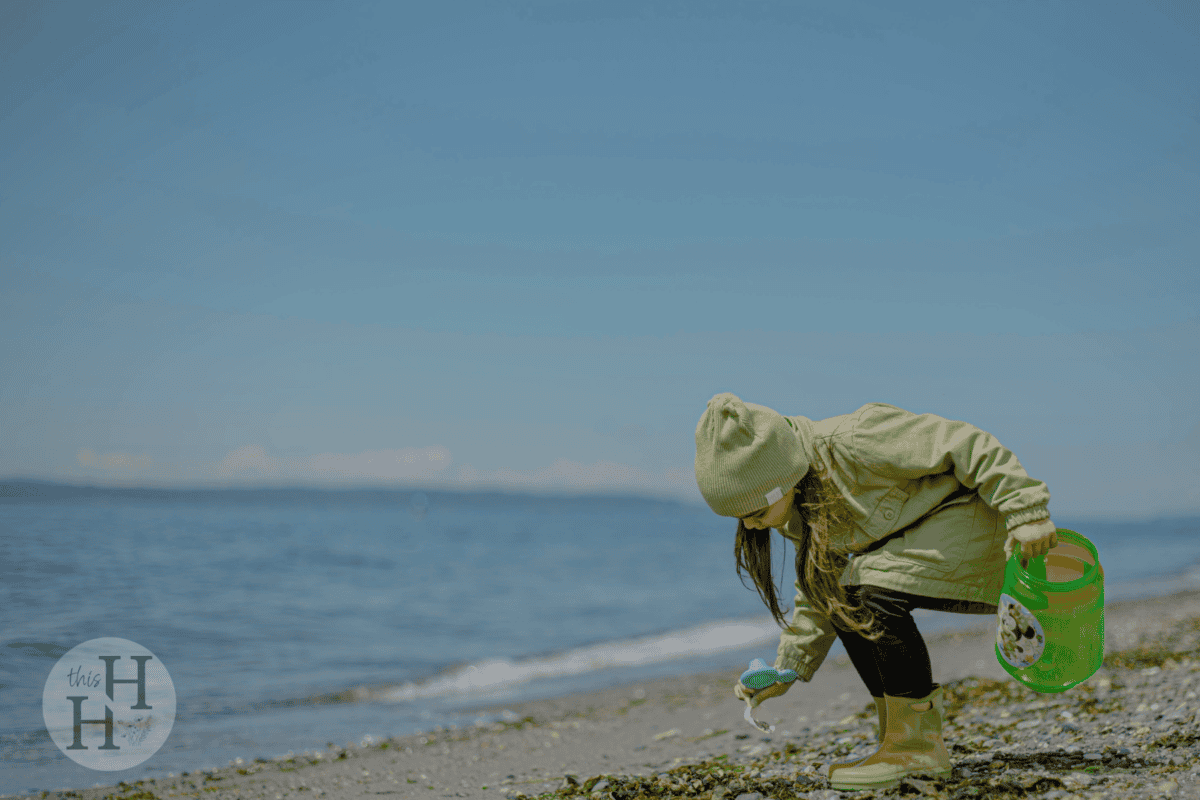
Bring a clear jar or container and collect a small amount of seawater, sand, and seaweed. Have your kids carefully observe what’s inside.
Do they see tiny creatures swimming around? Are there shells or bits of algae? Let the jar sit in a shady spot and check back in a few hours to see if anything new appears.
Discuss how even a tiny sample of ocean water can be filled with life. Talk about plankton, microscopic organisms, and how every creature plays a role in the marine food chain. Just be sure to return everything back to the beach when you’re done observing!
Final Thoughts
The beach is full of opportunities for hands-on science learning, and these experiments make it easy to mix education with fun.
Whether you’re testing the tides, studying buoyancy, or observing ocean life up close, your kids will gain a deeper appreciation for the natural world while making amazing memories.