
12 Essential Things to Teach Your Preschooler At Home
*This post may contain affiliate links. As an Amazon Associate I earn from qualifying purchases.*
As a parent, you are your child’s first and most influential teacher. The early years are crucial for setting the foundation for lifelong learning, and what better place to start than at home?
Teaching your preschooler at home is not only rewarding but also gives you the opportunity to tailor their learning experience to their unique interests and needs.
As a homeschool parent, this is something that I’m fairly passionate about.
Here are 12 great things to teach your preschooler at home.
#1 Basic Life Skills
Start with the essentials. Teaching your preschooler basic life skills, such as dressing themselves, brushing their teeth, and washing their hands, promotes independence and confidence. These simple daily routines also help your child understand the importance of self-care and responsibility.
When my kids were little, we liked to use these routine cards to help give them a visual guide for their daily routine.
#2 Their Important Information
Parents don’t automatically think to do this, but it can be such a huge help in certain situations. Teach your preschooler their full name, your full name, your address, and your phone number.
You just never know when they may need that information.
#3 Numbers and Counting
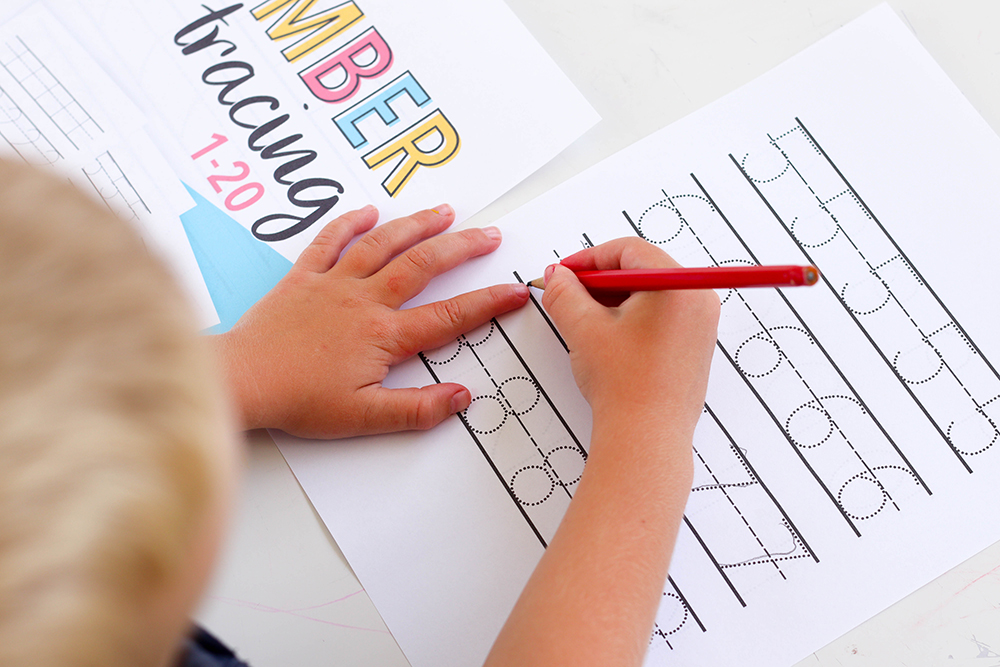
Introduce your preschooler to numbers and counting in fun, everyday situations. Count the number of apples in the grocery store, the steps up to your front door, or the toys during clean-up time. You can also play counting games or use counting books to make learning numbers engaging and enjoyable.
Baking with your child is a really natural way to introduce number sense.
Remember, at this age, it is all about exposure, not mastery.
So much of learning is developmental. Don’t get hung up on whether your preschooler is retaining academics.
#4 A Love of Literature

One of the most important things that you can instill in your child is a love of literature.
There are so many benefits that come as a result of reading books to your child. They will learn so much simply from being curled up on your lap and listening to you read.
Their vocabulary alone will be greatly expanded in contrast to not having had books read to them.
Reading to your child will set them up with a great foundation upon which they will be able to build even more skills as they get older.
#5 Letters and Sounds
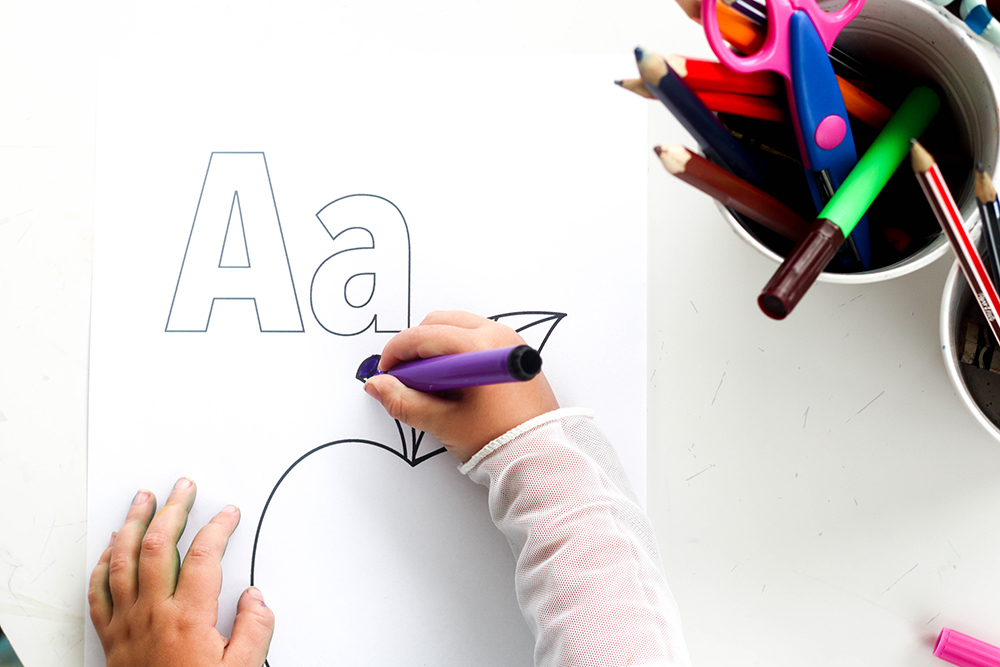
Early literacy begins with recognizing letters and understanding the sounds they make. Teach your child the alphabet through songs, books, and puzzles.
Point out letters in their environment, such as on signs, labels, or in their favorite books. You can also start practicing the sounds each letter makes, which will help them when they begin learning to read.
I really want to strongly encourage you to remember that this is about exposure. Some preschoolers will retain letter sounds and names, but many will not.
That doesn’t mean there’s anything wrong. They will totally get it as they get older. There is no rush here for mastery.
Keep this fun and no pressure.
#6 Shapes and Colors
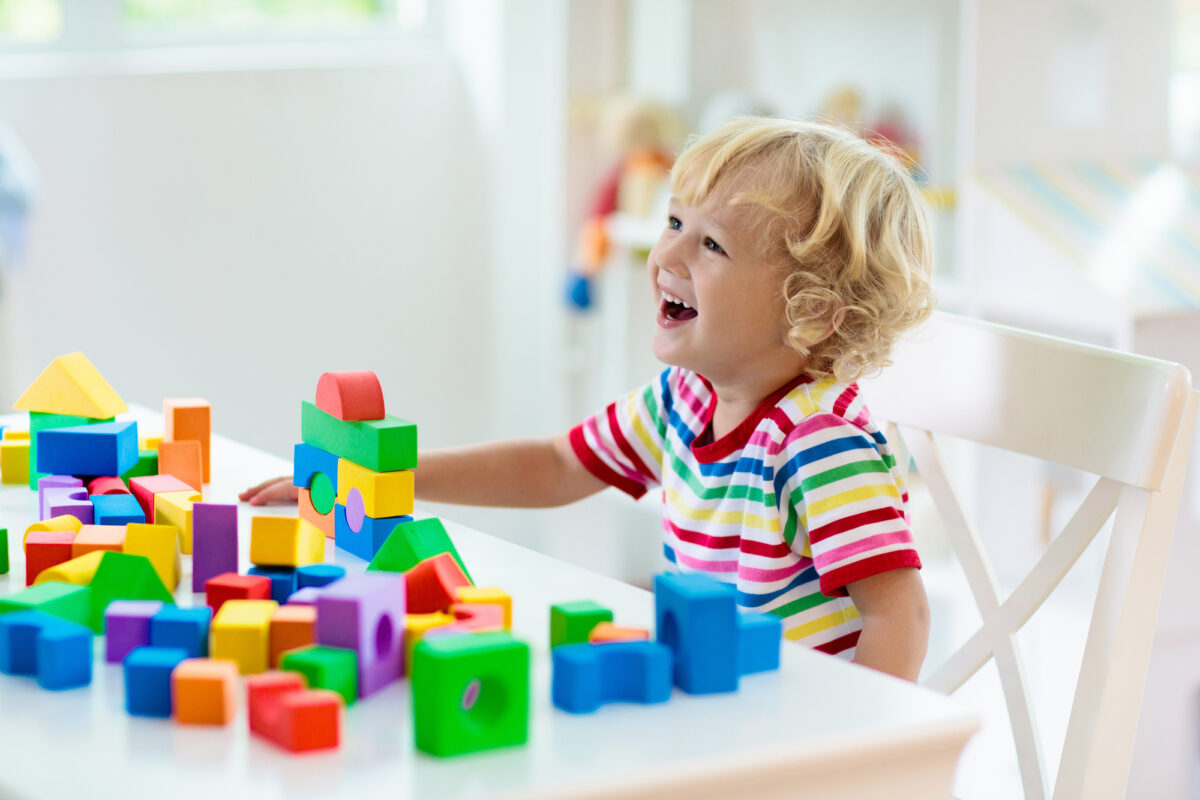
Help your preschooler identify different shapes and colors by incorporating them into your daily routine. Play games like “I Spy” to find shapes and colors around the house or on a walk.
Sorting objects by color or shape, drawing, and using shape puzzles are all effective and fun ways to reinforce this learning.
There are so many ways to simply point out shapes and colors during the day. Once you’re intentional about it, you’ll find it really easy to do.
#7 Fine Motor Skills
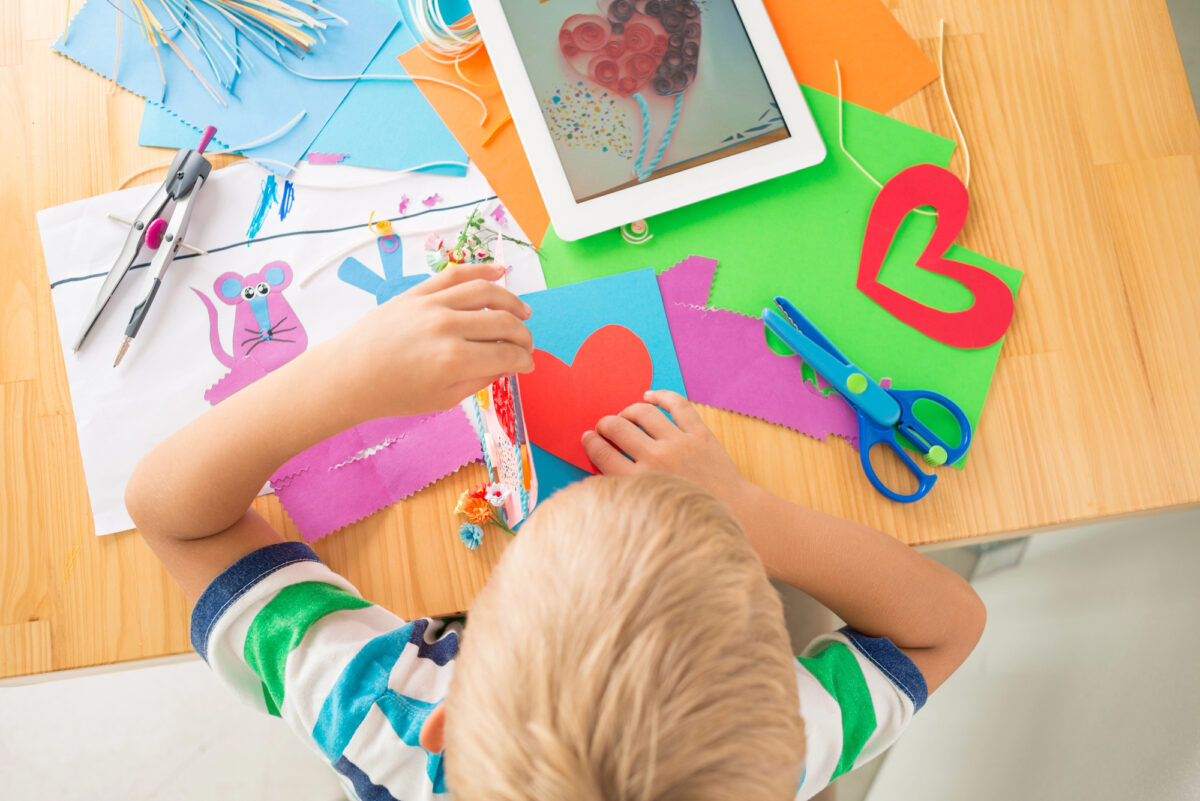
Developing fine motor skills is important for tasks like writing, cutting with scissors, and buttoning clothes.
Encourage your preschooler to engage in activities that strengthen these skills, such as drawing, building with blocks, threading beads, or playing with playdough.
These activities improve hand-eye coordination and prepare them for more complex tasks in the future.
#8 Social Skills
Teaching your preschooler social skills is essential for their interactions with others. Role-playing scenarios like sharing toys, taking turns, and using polite language can help them understand how to behave in social situations.
Encourage them to express their feelings and teach them how to listen to others, setting the stage for healthy relationships as they grow.
#9 Problem-Solving
Problem-solving is a key skill that your preschooler will use throughout life. You can nurture this ability by providing them with puzzles, building blocks, and open-ended questions that encourage critical thinking.
When they encounter a challenge, guide them to think of different solutions and encourage persistence.
As parents, it can be really challenging to step back and let them figure things out when they’re struggling. However, use your discretion when it is appropriate to do so. It really will help.
#10 Creativity and Imagination

Imagination is a powerful tool in a child’s development. Foster your preschooler’s creativity by engaging them in activities like drawing, painting, storytelling, and imaginative play.
Provide them with materials and time to explore their creativity, whether it’s through building a fort, dressing up, or creating their own stories.
It’s also okay to let them be bored. Boredom is the preface to creativity unleashed.
We also always had an intentional time of independent play each day. The benefits are huge!
#11 A Love for the Outdoors.

Outdoor play is seriously lacking for many children. Yet, it has a plethora of benefits.
Being outdoors is wonderful for mood among other things.
Your preschooler will naturally get to do loads of sensory play when they’re outdoors. Plus, they will organically begin to learn science as they study the natural world around them.
Play is a child’s work and it is also the primary method of learning in the early years.
Doing it outdoors is a really great habit and skill to instill while they are still preschoolers.
#12 Listening and Following Directions
Listening skills are essential for your preschooler’s success in school and beyond. Practice giving your child simple instructions to follow, like “Please put your shoes by the door” or “Can you help me pick up the toys?” Reinforce good listening habits by reading stories together, asking them to retell what they heard, and playing listening games like “Simon Says.”
Final Thoughts
Teaching your preschooler at home is a fulfilling experience that sets the foundation for their future learning.
By focusing on these 12 skills, you’re providing them with the tools that will greatly help them as they grow older.
Remember, the key is to make learning fun and interactive, so your child develops a love for learning that will last a lifetime. Whether it’s through play, exploration, or everyday tasks, your guidance and encouragement will help them thrive.


